


Introduction
Perimeter security and the protection of spaces containing sensitive infrastructure, such as homes, businesses, and industrial facilities, have never been more crucial. The exponential increase in crime rates, combined with technological innovation, has driven the development of smarter and more effective solutions, such as intrusion detection cameras.
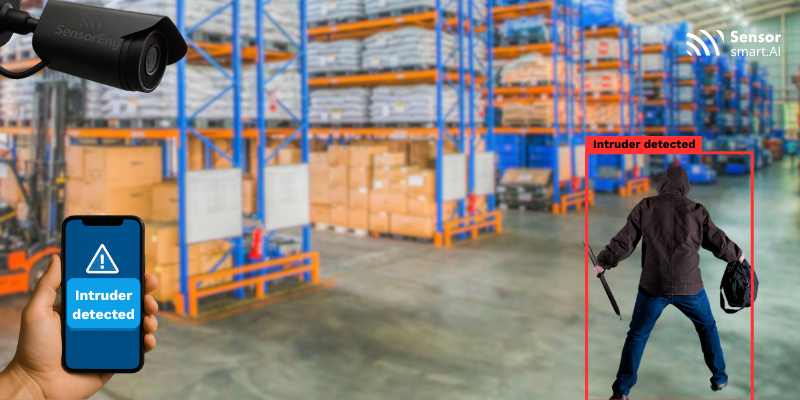
These cameras go beyond simple video recording. By integrating thermal sensors, artificial intelligence (AI), and neural networks, they can detect intruders, recognize abnormal behaviors, and trigger real-time alarms, providing proactive protection and reducing delayed responses to threats.
In this article, we’ll explore the impact of intrusion detection cameras on security, how their technologies work, practical applications, and an international study demonstrating their importance on the global stage.
How Do Intrusion Detection Cameras Work?
Intrusion detection cameras represent an evolution of traditional surveillance systems, which were limited to capturing and recording footage for later analysis. Today, these cameras integrate advanced technologies such as:
- Thermal Sensors: Detect human presence through body heat, even under low-light or total darkness conditions.
- AI-Powered Image Analysis: Differentiate humans from objects or animals by analyzing motion patterns to identify suspicious activities in real-time.
- Network Integration: Connect to larger security systems, enabling real-time alerts and camera feeds to be sent to mobile devices or control centers.
These advancements are particularly useful in settings such as airports, factories, warehouses, and other spaces where constant security is critical.
Practical Applications
The development of cameras with intelligent capabilities has extended widely across different sectors. Below are some practical use cases:
1. Residential Security
Protecting homes is one of the most common reasons for using intrusion detection cameras. These cameras can differentiate authorized individuals from strangers, minimizing false alarms and automatically sending alerts to residents’ smartphones.
2. Sensitive Industries
Factories, data centers, and energy facilities are high-priority locations for robust security systems. The ability to monitor extensive areas, identify suspicious movements, and track intruders makes these cameras indispensable to industries.
3. Public Spaces
In high-traffic areas like shopping centers and stadiums, cameras are helpful not only for detecting intruders but also in emergencies, such as identifying criminal activities or monitoring situations that may pose risks to large crowds.
International Study: Advances in Thermal Detection
A recent study published on https://arxiv.org/abs/2302.13293 analyzed the implementation of intrusion detection cameras equipped with thermal sensors in perimeter security systems. The research introduced a thermal image dataset named PDIWS and focused on using artificial intelligence to train detection algorithms based on the most common poses associated with intruders, such as crawling, crouching, or climbing.
The results were highly promising:
- Accuracy of over 95%: Cameras equipped with AI detected human presence with very high precision, even under challenging conditions like low light.
- Reduction in False Alarms: Machine learning models significantly reduced false positives, such as confusing swaying trees or animals with an intruder.
This study proves that modern cameras with thermal sensors and AI tools can transform the concept of security in highly vulnerable locations.
Differences Between Traditional and Modern Systems
It’s important to highlight how intrusion detection cameras differ from traditional surveillance systems:
| Features | Traditional Cameras | Modern Cameras (Intrusion Detection) |
|---|---|---|
| Analytical Capability | Capture and recording only | Real-time image processing with threat detection |
| Integrated Sensors | Dependent on lighting | Thermal and infrared sensors |
| Automated Responses | Absent | Automatic alarm and notification triggering |
| Intrusion Detection | Limited | High precision with AI |
Benefits of Intrusion Detection Cameras
Opting for intrusion detection cameras offers numerous advantages when compared to conventional security methods:
- Cost Reduction: Eliminates the need for large on-site security teams, as the cameras operate autonomously.
- Expanded Coverage: Capable of continuously monitoring large areas, including remote environments.
- Real-Time Response: Immediate action in the case of threats reduces losses and enables quicker intervention by authorities.
- Customized Security: Certain models allow users to configure settings to ignore less sensitive areas while focusing on priority zones.