


Introduction
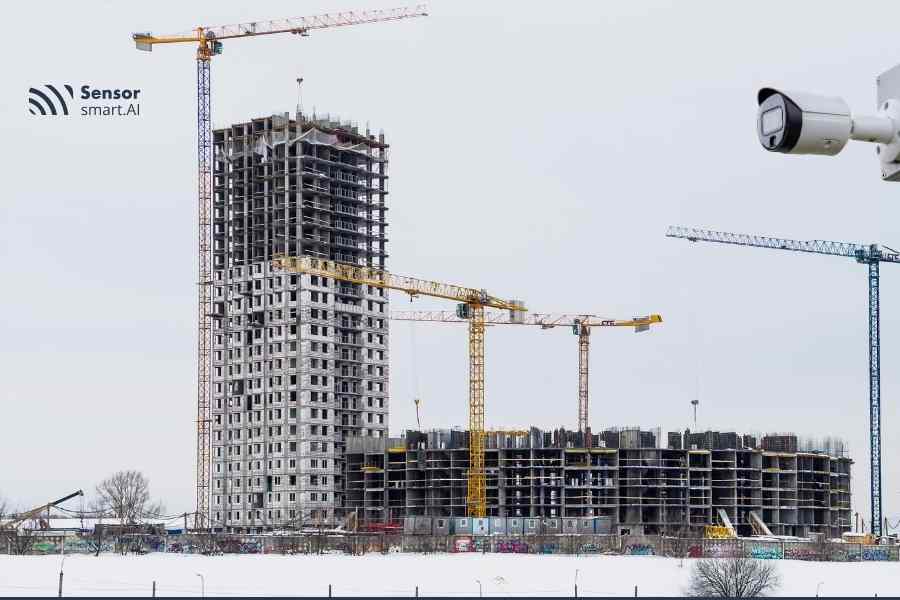
The construction industry is undergoing an unprecedented digital transformation, driven by innovative technologies that redefine processes, optimize resources, and offer more effective management solutions. Among these innovations, timelapse cameras stand out as revolutionary tools that capture the progress of construction projects in dynamic, condensed videos.
More than visually documenting a project, these solutions have become strategic for monitoring, communication, and project promotion, adding value at various stages of the construction cycle. In this article, we will explore how this essential tool positively impacts Construction Technology, present practical applications, and discuss an international study that validates its efficiency.
What Are Timelapse Cameras for Construction?
The timelapse technique involves capturing still images at regular intervals and later compiling them into videos that condense long periods into just a few minutes. In construction, this process allows tracking the evolution of a project from start to finish.
These cameras are strategically positioned to provide a comprehensive view of the job site, recording key stages such as:
- Earthworks
- Foundation construction
- Structural building
- Final finishes
The goal goes beyond mere visual aesthetics; timelapse provides a continuous and detailed recording of onsite events, allowing otherwise invisible changes to be clearly and objectively identified.
Benefits of Timelapse Cameras in Construction Technology
Timelapse cameras in construction are not just innovative documentation tools. Their practical applications bring distinct benefits in areas like management, safety, and communication. Below are the major impacts:
1. Comprehensive Monitoring and Documentation
Timelapse enables real-time, remote monitoring of all stages of the project, allowing engineers and managers to identify bottlenecks, make strategic adjustments, and ensure deadlines are met. Additionally, accelerated videos provide a broad perspective to detect inefficiencies and create proactive solutions.
This documentation also has legal value. In cases of contractual disputes, timelapse serves as objective evidence that can clarify delays, errors, or deviations from quality standards.
2. Streamlined Communication Across Stakeholders
Timelapse videos also work as visual reporting tools at the end of each cycle (weekly or monthly), ensuring all parties are aligned.
3. Marketing and Promotional Tool
Impressing prospective clients and investors is essential in the construction industry to secure new projects. Timelapse cameras transform projects into visually impactful success stories — perfect for social media and corporate presentations. Displaying the progression of completed builds generates trust and solidifies a brand’s reputation in the market.
4. Improved Safety on Job Sites
Another practical benefit highlighted by Construction Technology is the enhancement of safety. Reviewing recorded footage allows managers to identify imminent risks, inappropriate behavior, or failures in operational protocols. This enables preventative measures to be implemented before issues arise.
Technical Considerations and Equipment Choices
Choosing the ideal camera is critical for capturing high-quality content. Here are the essential factors when configuring a timelapse system:
- Resolution: 4K cameras provide precise detail.
- Durability: Construction demands rugged devices resistant to the elements.
- Battery and Connectivity: Long-term autonomy is highly desirable for large-scale projects, along with solar-powered systems and 4G connectivity for remote access.
- Cloud Platforms: Integration with real-time management platforms saves time and maximizes operational efficiency.
By adopting robust solutions, companies not only reduce operational costs but also gain reliability in records across the entire project.
International Study: Validating Efficiency
A study titled “Computer Vision for Construction Progress Monitoring: A Real-Time Object Detection Approach“ explores the use of computer vision algorithms to enhance project monitoring. This method combines real-time image analysis with camera footage, offering powerful management solutions.
The research highlights how the combination of smart cameras and algorithms delivers benefits such as cost reduction and better-informed decisions throughout construction. These advancements partially automate progress tracking, enabling greater efficiency and less need for frequent in-person site visits.
The Future of Timelapse in Construction
As technology continues to evolve, the use of timelapse cameras is being integrated with other innovations such as drones, Building Information Modeling (BIM), and artificial intelligence (AI). Automated observation using AI-based algorithms already enables:
- Detection of delays or structural issues
- Identification of patterns to improve processes
- Optimization of edits and visual reports
As part of the Construction 4.0 revolution, timelapse is expected to evolve into fully technology-driven project management, optimizing costs, communication, and safety.
Conclusion
Timelapse cameras play a transformative role in Construction Technology, redefining how projects are managed, communicated, and promoted. More than just visual records, these tools have a profound impact on safety, operational efficiency, and transparency in the sector.
As construction companies seek innovation to differentiate themselves, investing in timelapse can become a strategic advantage. Supported by international studies and the ongoing advancement of technology, the future of construction is heading toward unprecedented levels of optimized project management.