


Introduction
In the construction industry, effective management is essential for ensuring the success of projects. Faced with challenges like the high flow of workers, securing valuable materials and equipment, and meeting strict deadlines, the use of camera monitoring technology emerges as an indispensable strategy. When combined with Access Control systems, these tools not only protect assets but also optimize productivity and reduce operational risks.
This article will explore how camera monitoring enhances construction site management, tackling issues ranging from theft prevention and worker safety to real-time project supervision. Additionally, we’ll present an international study that highlights the proven effectiveness of leveraging this technology in the industry.
The Importance of Camera Monitoring on Construction Sites
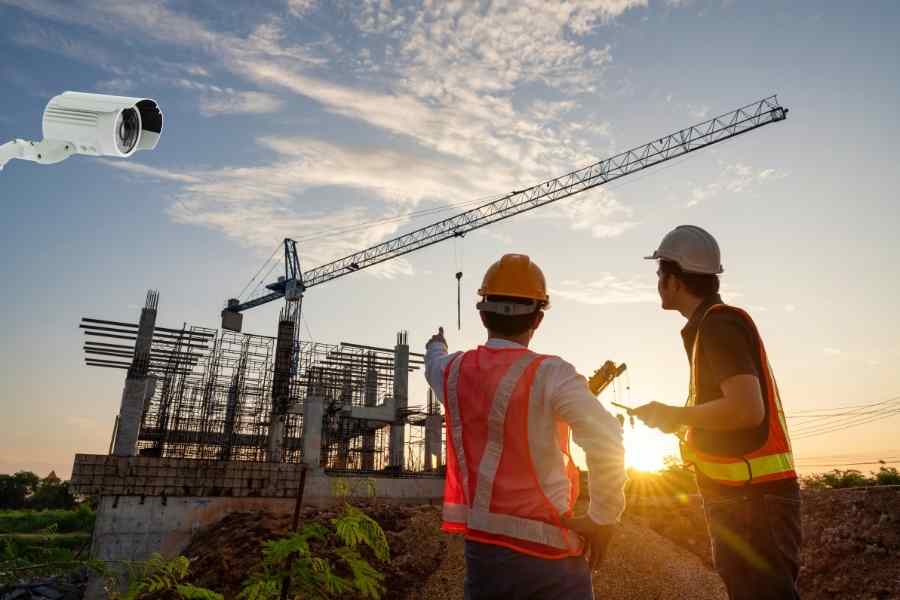
Construction sites are highly vulnerable to specific risks, such as theft, vandalism, and even breaches of workplace safety regulations. In this context, monitoring cameras play a vital role by providing constant oversight and visual documentation of all activities on-site.
Benefits of Monitoring
Theft and Vandalism Prevention:
Construction sites often store valuable machinery, materials, and equipment. Strategically installed cameras act as a powerful deterrent to criminal activity, while also providing crucial visual evidence for investigations in case of incidents. Their mere presence discourages opportunistic crimes, leading to significant cost savings from reduced losses and insurance claims.Worker Safety:
Real-time monitoring helps identify potential hazards and allows for quick intervention to prevent accidents before they occur. For example, cameras can capture workers not wearing the required Personal Protective Equipment (PPE) or safely operating machinery. Moreover, visual records in the aftermath of an incident are instrumental in analyzing its root causes, informing corrective measures, and reinforcing worker safety all while helping the company comply with strict safety regulations.Management and Progress Monitoring:
Remote supervision of construction progress has become a standard practice. High-resolution camera feeds enable architects, project managers, and clients to follow project milestones, ensure quality control, and spot deviations from the plan early. This visibility facilitates better communication between stakeholders, enables quick decision-making, and ensures projects stay on time and within budget.Resource Optimization:
Detailed site visuals allow managers to reallocate human and material resources more effectively. Bottlenecks, underutilized machinery, or areas with slow progress become easier to address, improving efficiency and reducing resource waste.
The Synergy Between Camera Monitoring and Access Control
Integrating Access Control systems with camera monitoring technologies greatly amplifies the security and efficiency of construction site management. This powerful combination not only restricts site entry to authorized personnel but also tracks movements in and out of the area with high precision.
Integrated Access Control Functionalities
Visual and Biometric Identification:
Cutting-edge systems use biometric technology, such as facial recognition or fingerprint scanning, alongside cameras to validate the identity of workers or visitors entering and exiting a site. This ensures that access is restricted to authorized and verified personnel, while cameras provide an added layer of real-time verification through live images.
Area Restriction Monitoring:
Access to high-risk or sensitive areas, including material storage zones or hazardous locations, can be closely monitored in real-time. Automated alerts are issued whenever unauthorized entry attempts occur, helping the security team respond promptly.
Work Hour Tracking:
A properly integrated system links access events to timekeeping, guaranteeing that only authorized and adequately equipped workers are on-site. This makes payroll, resource allocation, and shift management more accurate and efficient, reducing time theft and workforce inconsistencies.
Impact on Security and Productivity
International Study: The Effectiveness of Surveillance Cameras
Advanced Technologies in Construction Site Monitoring
360° Cameras:
These cameras capture the entire surrounding view of the construction site, reducing blind spots and minimizing the need for multiple devices. Their panoramic coverage greatly simplifies installation and monitoring, making site management more efficient.
Infrared (Night Vision) Cameras:
Essential for nighttime security, these cameras ensure round-the-clock surveillance, capturing clear footage even in total darkness. This feature is particularly important for deterring unauthorized activity during off-hours.
Artificial Intelligence (AI)-Powered Cameras:
AI integration has taken camera performance to new levels:
Suspicious Behavior Detection: Cameras can now identify loitering, unusual movements, or other suspicious activity and immediately notify site personnel to intervene.
Perimeter Alerts: Virtual boundaries can be set up around key areas, triggering alarms when breached.
Object Recognition and People Counting: AI cameras can classify specific objects, such as tools or vehicles, or count people in an area for capacity management and flow optimization.
AI also enhances construction project supervision by generating time-lapses and analyzing video feeds for activity tracking, project milestone verification, or even detecting PPE compliance in real-time.
These advanced technologies ensure that even remote managers have excellent control and visibility over what’s happening on-site.