


Introduction
Workplace safety is a top priority in any sector involving occupational risks. The proper use of Personal Protective Equipment (PPE) not only protects workers from accidents and illnesses but also reflects a company’s commitment to the well-being of its team. However, ensuring that everyone is using PPE correctly and consistently remains a significant daily challenge for organizations. In this context, technologies for detecting PPE usage are revolutionizing Workplace Safety.
In this article, we will discuss the importance of detecting PPE usage, present technological advances in this field, refer to results from international research, and analyze the benefits of these practices for Workplace Safety management.
The Importance of PPE in Workplace Safety
PPE consists of devices or products individually used by workers to protect them from risks that can threaten their safety and health. Common examples of PPE include helmets, gloves, safety glasses, ear protectors, safety boots, and respiratory masks.
Despite the legal requirements and extensive educational campaigns in companies, many accidents continue to occur due to the lack of use or incorrect use of PPE. Several factors contribute to this problem, such as lack of training, discomfort, negligence, or even momentary distraction from employees.
Detecting the use of PPE goes beyond simply distributing the equipment. It is essential to monitor, record, and ensure that PPE is genuinely being used in the right situations, as merely handing out devices does not eliminate existing risks. Failures at this stage can result in serious accidents, legal actions, and irreparable harm for all involved.
Technologies for Detecting PPE Usage
With advances in technology, new solutions are being employed to enhance the safety of personnel. Manual monitoring, traditionally performed by supervisors and safety teams, is being replaced by intelligent automated systems that provide greater efficiency and accuracy.
Smart Cameras and Computer Vision
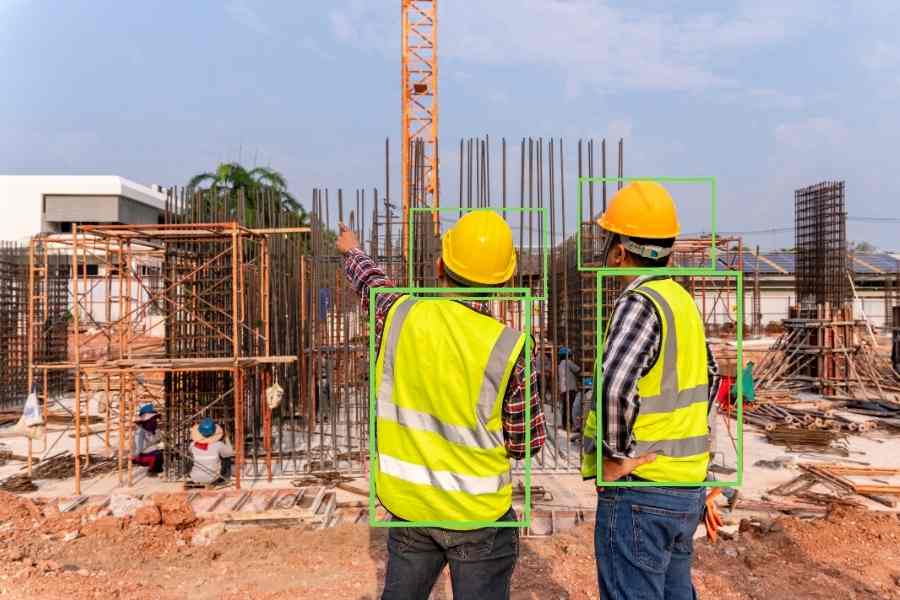
One of the biggest advancements in the sector is the use of smart cameras integrated with computer vision systems. These devices can identify in real time whether employees are wearing PPE through artificial intelligence and machine learning algorithms. When detecting the incorrect use or absence of the required PPE for a certain task, the system can instantly issue alerts to both the workers themselves and the safety team.
Sensors and Wearables
Another promising solution lies in wearables wearable devices capable of monitoring, storing, and transmitting information about PPE usage. Sensors installed on helmets, gloves, or boots, for example, can record whether the equipment is being used, send data to a central system, and even track hours of use.
Integration with Management Systems
These technologies can be integrated with workplace safety management systems, enabling data analysis, automatic report generation, inventory control of PPE, and identification of departments, shifts, or tasks that are most critical for preventative intervention.
Benefits of Automated PPE Usage Detection
These intelligent systems offer multiple benefits, such as:
Reduction in accidents: Constant monitoring discourages carelessness and reinforces a culture of prevention.
Increased worker awareness: Real-time alerts educate and reinforce the importance of using PPE.
Operational efficiency: Reduced need for physical inspections and manual audits.
Resource savings: Fewer absences, fines, and legal costs for the company.
Data-driven improvements: Collected information supports more targeted and strategic action plans.
Additionally, the company gains a competitive edge by strictly complying with current regulations and demonstrating genuine concern for employee health.
Challenges and Ethical Considerations
The implementation of these technologies requires investments in infrastructure, training, and equipment maintenance. Furthermore, ethical and privacy issues must be considered: the collection of images and personal data requires consent, transparent communication, and proper data protection to prevent misuse.
Another challenge is convincing employees about the purposes and benefits of automated detection, as many may feel they are being “constantly monitored.” Clear and effective communication is essential so that everyone understands the importance of the measure for Workplace Safety.
Conclusion
Ensuring the correct use of PPE is more than a legal requirement: it is a social commitment to life. The adoption of technologies such as smart cameras and wearable sensors represents a major step forward in Workplace Safety procedures. International studies have already proven the benefits of these solutions, both in reducing accidents and in efficiency gains for organizations.
In the modern scenario, investing in PPE usage detection means investing in health, productivity, institutional image, and business sustainability. Genuine Workplace Safety is achieved only when everyone companies, managers, and workers embraces this cause and uses technology as a strategic ally.