


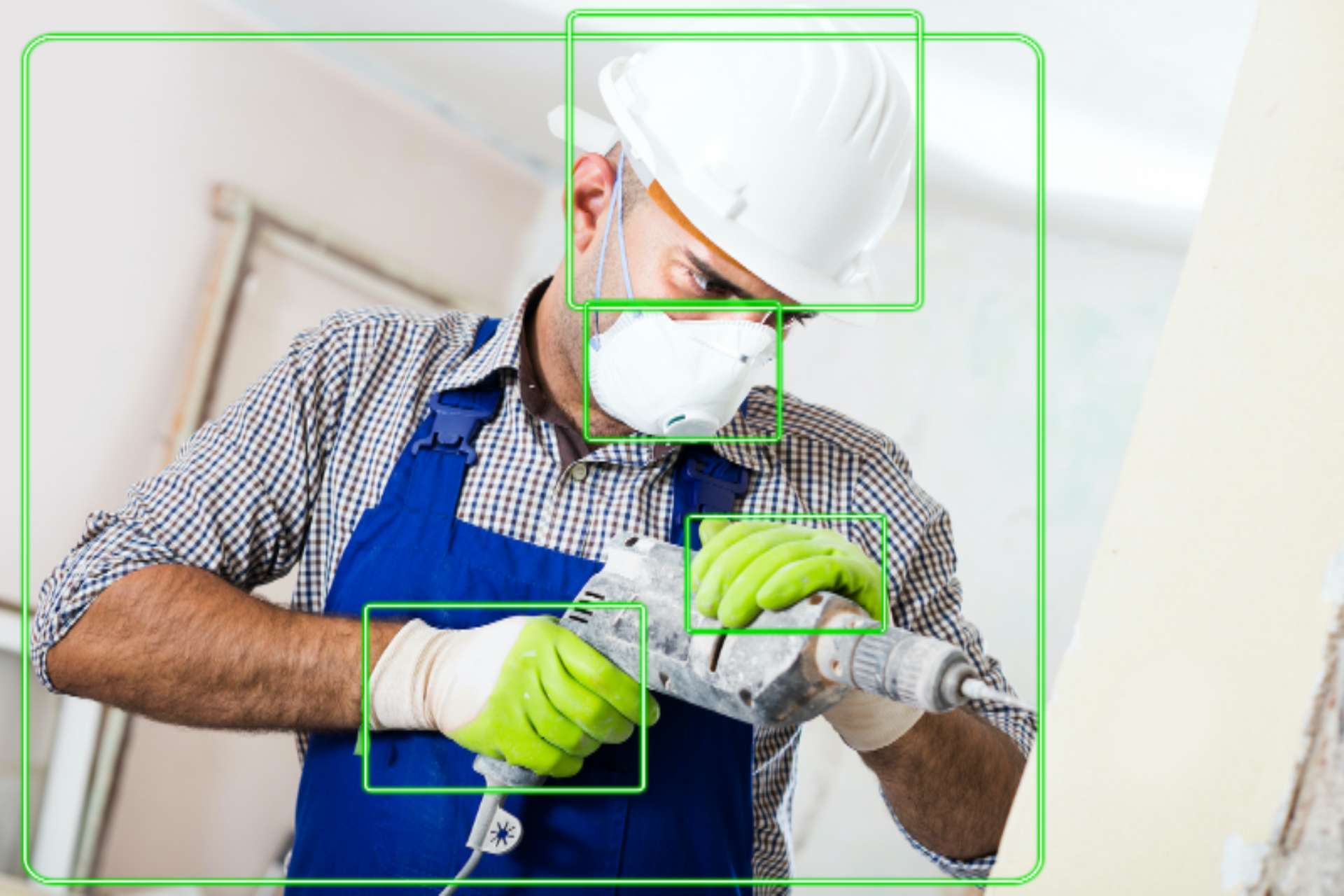
Workplace safety is an essential topic in any industry. The use of Personal Protective Equipment (PPE) not only protects workers from injuries but also ensures that operations are conducted safely and efficiently. Recently, PPE detection technology has emerged as an innovative tool to enhance worker safety. This article explores how this technology is being adopted, its benefits, and data supporting its effectiveness.
With technological advancements, artificial intelligence (AI) and smart security cameras have become strong allies in promoting occupational safety. Automatic PPE use detection through these technologies is revolutionizing how companies monitor and ensure compliance with safety standards. This innovation not only improves worker safety but also contributes to process optimization and cost reduction associated with workplace accidents.
The Importance of PPE
Personal Protective Equipment is essential for protecting workers from potential risks in the workplace. From helmets and gloves to masks and special footwear, PPE is designed to reduce exposure to hazards that can result in injuries or illnesses. The correct use of this equipment is crucial to ensure that workers are protected while performing their duties.
How PPE Detection Works
AI-equipped cameras are programmed to identify whether workers are wearing the appropriate PPE in real time. These cameras analyze captured images and, using complex algorithms, can determine if a worker complies with the company’s established safety standards. If any deviation is detected, an alert is generated so that the issue can be promptly addressed.
Proven Benefits of Automated Detection
The use of cameras for detecting Personal Protective Equipment (PPE) offers various benefits for workplace safety. These technologies use artificial intelligence to monitor and ensure that workers are wearing the correct PPE, contributing to accident prevention and compliance with safety regulations.
Key benefits:
Real-time monitoring: AI-equipped cameras allow for the immediate identification of workers not using the necessary PPE, enabling quick corrective actions.
Reduction in workplace accidents: Ensuring proper PPE use significantly reduces the number of incidents and injuries at work.
Regulatory compliance: The technology helps companies maintain compliance with occupational safety standards, avoiding penalties and fines.
Operational efficiency: Monitoring automation reduces the need for constant manual supervision, allowing human resources to be directed to other productive activities.
Safety culture: Implementing these technologies promotes an organizational culture focused on safety, encouraging workers to adopt safer practices.
Overcoming Challenges with Technology
When implementing PPE detection, companies may face challenges such as the need for technology investment and employee training. However, the long-term benefits, such as reduced accidents and increased operational efficiency, outweigh the initial costs.
One of the challenges faced by companies is the initial resistance of workers, who may feel uncomfortable with the idea of constant monitoring. To mitigate this concern, it is essential for companies to clearly explain the benefits of this technology and keep workers informed about how the data will be used.
Implementation and Long-term Impact
Implementing PPE detection systems should be done strategically and with careful planning. It is important for companies to choose technological solutions tailored to their specific needs and provide appropriate training to employees. Transparent communication and including employees in the implementation process are crucial for the initiative’s success.
Over time, automated PPE detection can lead to a cultural transformation within the company. Organizations can use the collected data to identify trends and areas needing continuous improvement, enhancing safety and efficiency.
Conclusion
PPE detection technology is becoming an increasingly essential tool for worker safety. Supported by studies demonstrating the reduction of incidents and improvements in the work environment, implementing such systems represents a significant advancement in safety management.
By investing in cutting-edge technology, companies not only protect their workers but also promote a sustainable and efficient safety culture. As more industries adopt this innovation, we can expect a safer and more productive future for all workers.
Worker safety should always come first, and PPE detection technology offers a promising path to achieving this goal.