


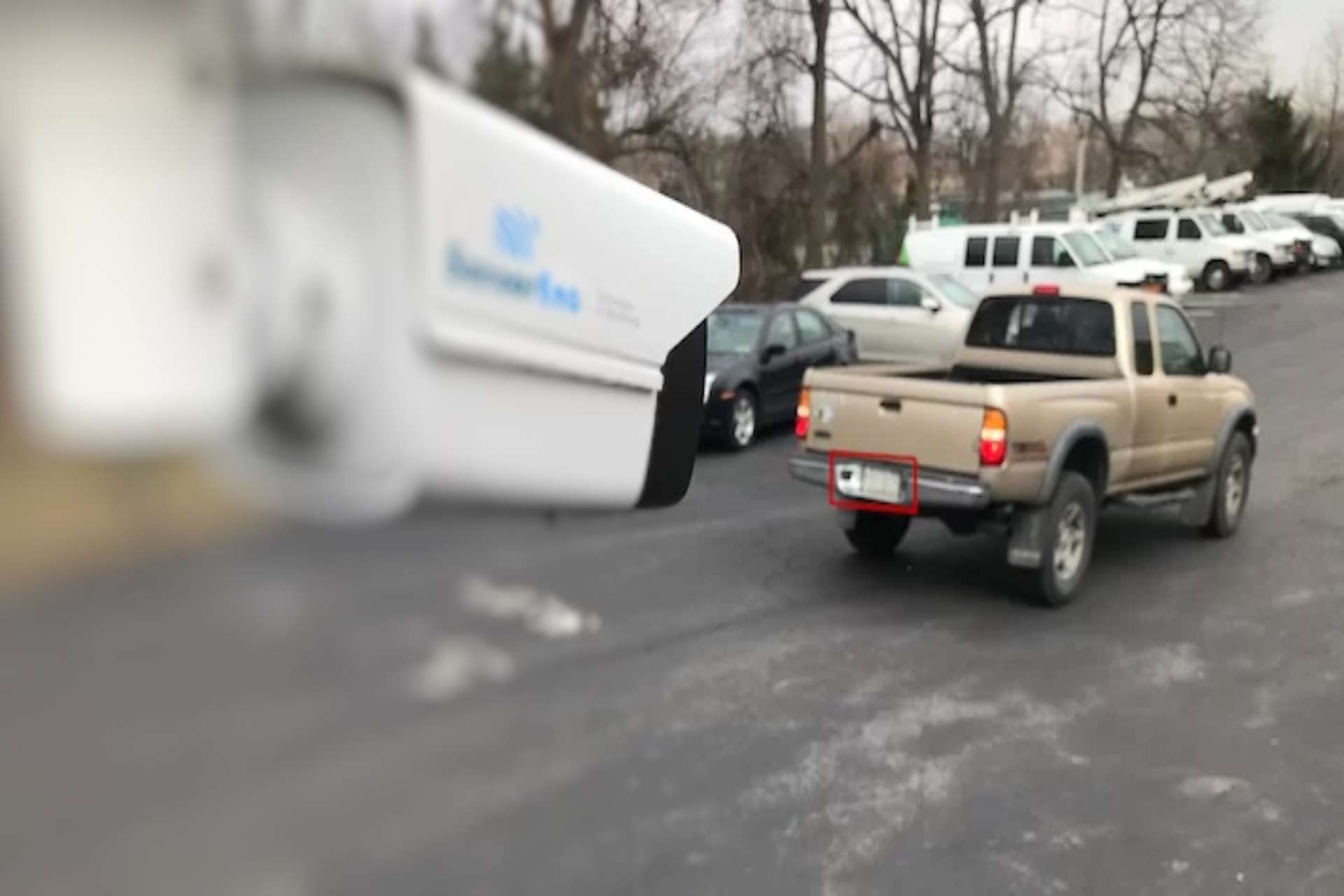
License plate recognition cameras use optical recognition technology to capture and interpret vehicle plates, converting this information into alphanumeric data. They are widely used by security and transport authorities for purposes such as law enforcement, access control, and toll collection. This technology improves efficiency and safety by allowing the rapid identification of stolen or criminally involved vehicles, thanks to integration with databases. With continuous advancements, these cameras are becoming more accurate and effective in different conditions.
How does plate recognition work?
Vehicle plate recognition primarily works through cameras equipped with optical character recognition (OCR) technology. First, the cameras capture images of vehicles in transit. Then, digital processing algorithms identify the plates within these images, isolating the relevant text. Using OCR, the system converts character images into alphanumeric data that can be compared to existing databases. This process is aided by artificial intelligence and machine learning techniques, which enhance accuracy and efficiency even in low-light conditions or challenging angles, ensuring reliable real-time recognition.
Is Plate Recognizer legit?
Plate Recognizer is considered a legitimate solution in the field of vehicle plate recognition, widely used for security, traffic management, and parking monitoring applications. The tool offers software that employs advanced artificial intelligence and deep learning technologies to deliver precise and quick results. Its services are cloud-accessible, making them flexible and scalable for companies of different sizes. The data and images processed by Plate Recognizer are managed with a focus on privacy, complying with data protection regulations such as GDPR. The company’s reliability and customer satisfaction contribute to its positive reputation in the market.
Is there a camera that detects number plates?
Yes, there are cameras specifically designed to detect and recognize vehicle plates, known as automatic number plate recognition (ANPR) cameras. These cameras use sophisticated image processing and optical character recognition (OCR) technology to capture and interpret vehicle plates in real time. They are widely implemented by traffic agencies, police departments, and private facilities to enhance security and traffic management. Typically, these cameras are positioned in strategic locations such as toll gates, traffic lights, and parking lot entrances, allowing for automatic vehicle data collection, optimized access control, and efficient monitoring, ensuring smooth and secure operations.
The use of license plate recognition cameras offers several significant advantages:
Efficiency in Law Enforcement: Allows the quick identification of stolen or suspicious vehicles, aiding police in investigations and preventive security actions.
Process Automation: Facilitates the automation of toll and parking fee collection, eliminating the need for manual tickets and reducing lines.
Traffic Management: Provides real-time data on vehicle flow, aiding in the analysis and optimization of urban traffic.
Access Control: Enhances security in restricted areas, ensuring only authorized vehicles can enter.
Reduction of Operational Costs: Decreases the need for human intervention in monitoring and control, saving on labor costs.
Improvement in Public Safety: Contributes to faster incident responses and increases the sense of security among the population.
The use of these cameras, therefore, not only boosts operational efficiency for traffic and security authorities but also improves end-user experience in various day-to-day situations.
In summary, license plate recognition cameras offer numerous advantages ranging from process automation to enhanced public safety. They play a crucial role in modernizing traffic management and security by enabling swift and precise actions by authorities. By integrating advanced technology into daily operations, these cameras significantly improve efficiency and safety, benefiting both responsible authorities and the general public.