


Introduction
In a world where workplace safety has become a top priority, emerging technologies play a crucial role in enhancing safety practices. One such advancement is the use of Artificial Intelligence (AI) for Personal Protective Equipment (PPE) detection. This technology not only optimizes safety but also fosters a strong safety culture within organizations. This blog delves into how AI-powered PPE detection is transforming industrial safety and the significance of this innovation.
What is AI-Powered PPE Detection?
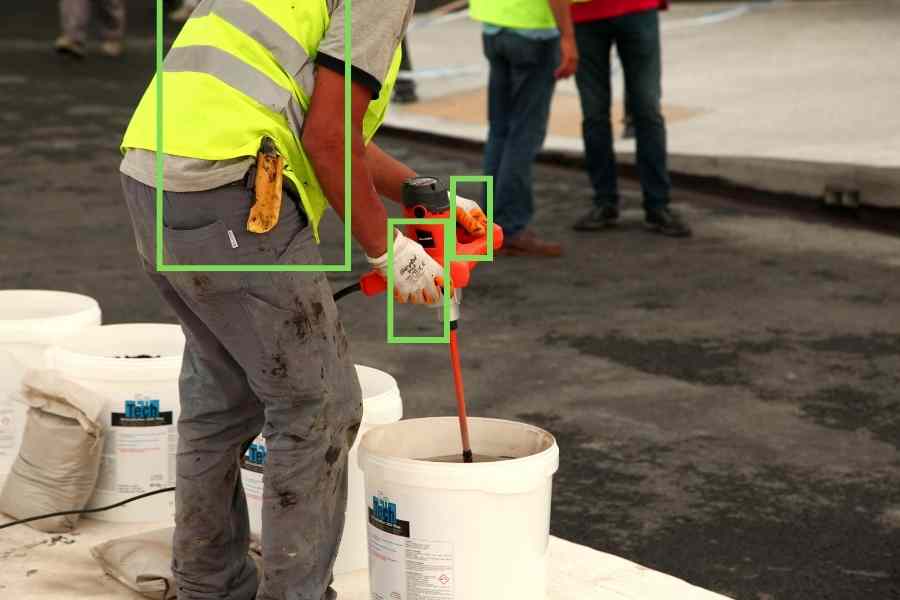
AI-powered PPE detection uses advanced algorithms to automatically identify whether workers are wearing the required protective gear. This is implemented through cameras and sensors that capture and analyze images in real-time. The effectiveness of this technology lies not only in its identification capabilities but also in its ability to collect and analyze data, providing insights into safety practices and compliance.
Benefits of AI-Powered PPE Detection
Efficiency and Accuracy
The primary advantage of AI-powered PPE detection is its ability to continuously monitor workers without constant human supervision. AI can quickly detect violations in real-time, alerting supervisors to take corrective action. This results in a faster and more accurate response compared to traditional methods relying solely on human observation.
Cost Savings
Integrating AI can lead to substantial cost savings. By reducing accidents and consequently insurance claims, companies can allocate funds to other critical areas. Furthermore, by minimizing downtime caused by accidents, productivity increases, benefiting the company as a whole.
International Studies: The Global Impact of AI
Powered PPE Detection
A study by the National Institute for Occupational Safety and Health (NIOSH) in the United States analyzed the effectiveness of automated PPE detection in high-risk sectors. The results showed a significant reduction in incidents related to PPE non-compliance, highlighting the importance of this technology in safety-intensive work environments.
Challenges and the Path Forward
Technological Integration
Despite clear benefits, the adoption of AI technologies for PPE detection faces challenges like the initial implementation cost and the need for robust infrastructure. Companies must invest in the necessary tools and training for successful implementation.
Privacy and Ethics
Another significant concern is worker privacy. The implementation of these technologies must respect privacy regulations and worker rights, ensuring that surveillance is conducted ethically and fairly.
Conclusion
AI-powered PPE detection represents a revolution in workplace safety. In a rapidly evolving industrial landscape, the ability to automatically identify PPE violations not only promotes safety but also strengthens a culture of responsibility and precaution among workers. With the benefits clearly outweighing the challenges, the adoption of these technologies is expected to rise, ensuring safer and more efficient work environments.
The effective implementation of AI-powered PPE detection in industrial sectors not only protects workers but also positions companies as leaders in corporate responsibility and innovation. As more industries embrace this technology, we move towards a future where workplace safety is more proactive than reactive.