


Introduction
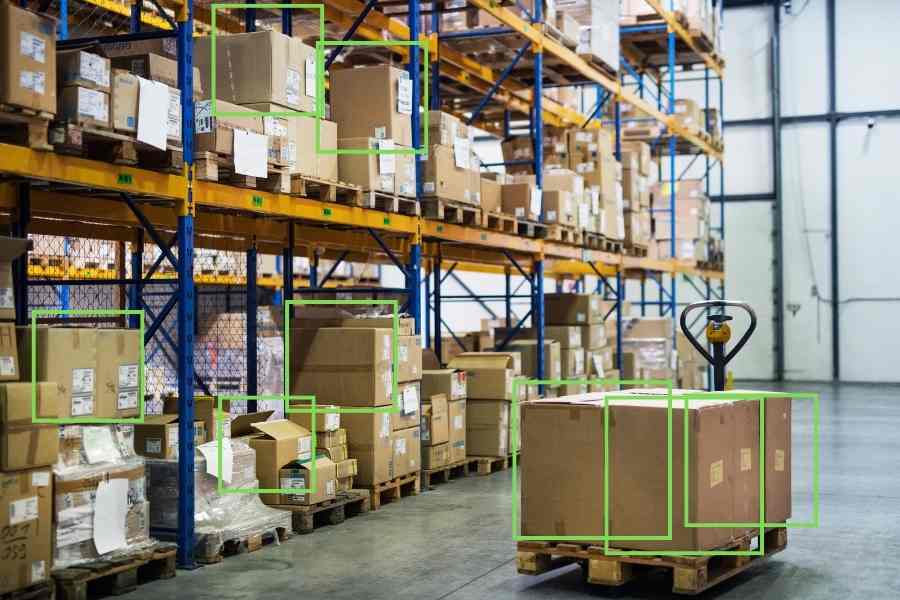
In the modern and highly competitive world of logistics and distribution, efficiency and precision are critical factors for success. Counting products on pallets, often seen as a simple operational task, is actually an essential component of the supply chain. The way companies manage this process can profoundly impact their operational costs and customer satisfaction.
The Importance of Counting Products on Pallets
Accurate counting is vital to maintaining inventory integrity. A lack of precision can lead to a series of problems, including overstocking, product shortages, and consequently, loss of sales and increased costs. A recent study showed that companies neglecting this practice face significant issues in quality control and efficiency.
Advanced Technologies for Pallet Counting
Technological advancements have made counting products more efficient through the use of tools such as automatic scanners, RFID, and cameras with image analysis. These solutions, when integrated with warehouse management systems, allow real-time visibility of stock, promoting faster and more accurate product identification.
Smart Sensors: Equipped on pallet handling machines, they can automatically detect and record item counts.
AI and Machine Learning: Advanced algorithms can predict counting errors and adjust processes in real-time.
International Study: Impact of Technology on Logistics
The conducted a study that revealed how automated counting technologies can improve logistics operations. Companies that adopted these technologies noted an increase of up to 30% in efficiency, with a reduction in inventory errors that significantly surpass manual methods.
Benefits of Automation in Logistics and Distribution
Automation offers multiple benefits beyond precision:
Cost Reduction: Less rework and material waste, reducing the time spent on manual counts.
Operational Efficiency: Faster processes mean less downtime and better resource utilization.
Real-Time Reporting: With continuously updated data, it’s possible to make informed and strategic decisions.
Integrating Technologies into Existing Systems
Implementing new technologies can be complex. However, creating interoperable systems that integrate counting technologies with existing company software can result in more cohesive and efficient workflows. Companies that have invested in integrated systems report improvements not only in inventory accuracy but also in operational performance metrics.
Challenges in Implementing Counting Technologies
Despite clear benefits, implementing advanced technologies faces challenges, such as:
Initial Investment Cost: Advanced technology can be expensive to implement, posing a barrier for small businesses.
Integration with Existing Systems: Many companies need to adapt their old systems to support new technologies.
Employee Training: The team needs to be well-trained to maximize the benefit of the new tools.
Overcoming Challenges with Planning
To overcome challenges, companies have adopted strategies such as:
Cost-Benefit Analysis: Focusing on long-term returns that justify initial investments.
Pilots and Field Tests: Implementing on a smaller scale initially to adjust and optimize processes before broader implementation.
Conclusion
In the competitive environment of logistics and distribution, counting products on pallets is more than a routine task: it is a crucial strategy for efficiency and growth. Companies that invest in technologies to optimize these operations are better prepared to face future challenges, strengthening their leadership position in the global market. With logistics increasingly data-driven, companies that embrace automation not only survive but thrive in the modern competitive landscape.