


Introduction
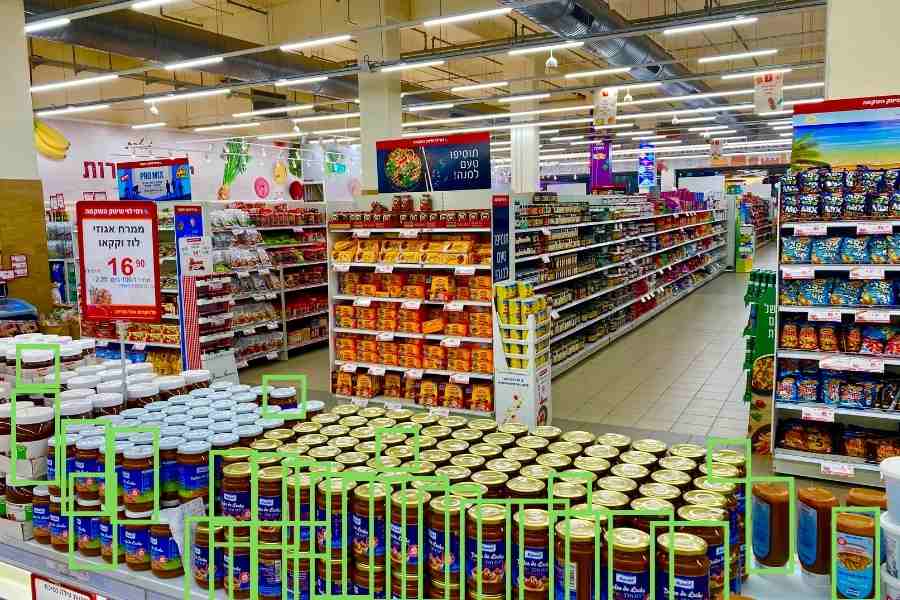
Supermarket Shelf Control is a term that is increasingly in vogue, reflecting the growing need for optimization and efficiency in retail operations. With the rapid market expansion and changing consumer habits, supermarkets are pressured to improve not only their logistics but also their customer experience. This article explores how efficient shelf control can positively impact both your business and customer satisfaction.
What is Supermarket Shelf Control?
Shelf control essentially involves the strategic management of the physical space where products are displayed. The goal is not only to organize product placement aesthetically but also to maximize sales efficiency and enhance consumer experience.
The Art and Science of Product
Arrangement Organizing products isn’t just about placing items on shelves. There’s science behind the strategic arrangement of shelves. Impulse products are placed at eye level to facilitate their sale, while essential items are strategically positioned to encourage customers to visit more areas of the store. This technique not only increases sales but also improves the visibility of complementary products.
Use of Planograms
Planograms are crucial tools in planning shelf arrangements. They provide a detailed guide on where and how products should be displayed. This not only aids in restocking but also optimizes stock rotation, ensuring that high-demand products are always available.
Benefits of Supermarket Control Shelf
Successfully implementing shelf control brings clear and tangible benefits:
Increase in Sales: Studies show that an organized shelf can boost sales by double digits. The strategic placement of products facilitates exposure to promotions and new launches, thus increasing the likelihood of impulse purchases.
Improved Customer Experience: Consumers feel more comfortable and engaged in a well-organized environment. Clear and logical product placement facilitates navigation, reducing search time and increasing overall satisfaction.
Operational Efficiency: Automating shelf control reduces the time and costs associated with stocking. Well-configured systems minimize human errors, allowing the team to focus on higher value-added tasks.
Enhanced Data and Analysis: Real-time monitoring technology allows retailers to collect valuable data on consumer purchasing behavior. This, in turn, allows for quick adjustments to changing market trends and preferences.
International Study
A relevant national study on Shelf Control is the work by Rodrigo Coltelli Cesarino and José Vicente Caixeta-Filho, titled “Product Allocation on Supermarket Gondolas: A Case Study.” This study investigates product distribution patterns on shelves according to the size and format of stores, conducted in a supermarket chain in São Paulo. The research highlights that compact and conventional stores prioritize local demands, while larger formats follow different strategies. This analysis is crucial for understanding the importance of management decisions in effectively allocating shelf space.
Implementation of Technological Systems
The incorporation of technology in shelf control has transformed how supermarkets operate. Sensors, AI-equipped cameras, and analysis software are being used to optimize every aspect of shelf operations.
Sensors and AI
Smart cameras can detect when a product is about to run out and send automatic restocking alerts. Additionally, artificial intelligence aids in the analysis of purchasing patterns, allowing strategic reorganizations as needed.
Automation in Restocking
Automated shelving technology drastically reduces the time between a product being sold and its replacement, practically eliminating the chances of stockout losses.
Practical Example
Major chains like Walmart have implemented advanced technologies to monitor and manage shelves. Using cameras and AI, they have managed not only to improve product placement but also to significantly increase sales while reducing operating costs.
Challenges and Considerations
Despite the benefits, implementing effective shelf control isn’t without challenges:
Technology Costs: The initial investment can be significant and needs to be well planned to ensure return on investment.
Staff Training: To use the system efficiently, it’s necessary to invest in staff training, ensuring that all employees know how to operate technological systems.
Resistance to Change: The introduction of new technologies can face resistance from staff. Here, effective change management strategies are key to facilitating the transition.
Sustainability
Sustainability must also be considered. Supermarkets are increasingly adopting green practices, such as using recyclable materials for shelves and reducing waste.
Future of Shelf Control
The future of Supermarket Shelf Control promises even more innovations with technological advancements. We are seeing the emergence of smart shelves that can interact directly with customers through digital monitors displaying personalized promotions based on purchase history. Moreover, integration with smartphones will allow consumers to receive real-time recommendations while browsing the aisles. This personalization and interactivity not only improve customer satisfaction but also provide retailers with valuable data to further refine their marketing and sales strategies.
Conclusion
In summary, Supermarket Shelf Control is a practice that brings substantial benefits to both retailers and consumers. When done correctly, it can be a powerful tool to increase operational efficiency, boost sales, and enrich the customer experience. As the retail market continues to evolve, effective shelf control will become increasingly critical for the long-term success of supermarkets striving to remain competitive. Adopting these practices now is more than a differential; it is a necessity.