


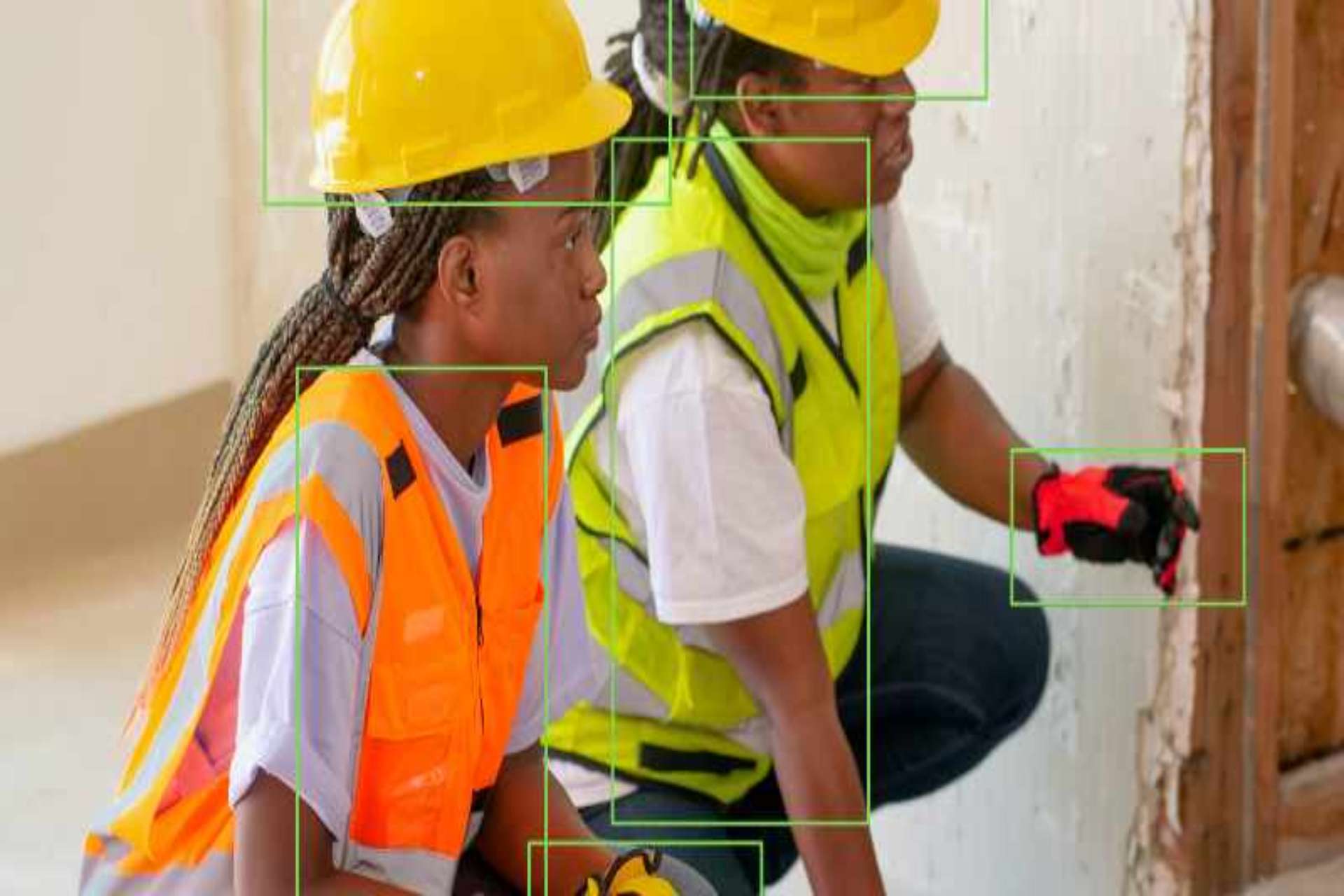
In the modern world, workplace safety is fundamental. With technological innovations, monitoring the use of Personal Protective Equipment (PPE) has become more efficient and effective. Utilizing smart cameras for this purpose not only protects workers but also optimizes operations and ensures regulatory compliance.
Introduction
Ensuring the safety of employees is one of the most important pillars of any company, especially in activities with occupational hazards. Personal Protective Equipment (PPE) plays a crucial role in minimizing these risks, providing a barrier between the worker and environmental dangers. Currently, advanced smart camera technology is transforming how companies monitor and manage PPE usage.
What Are Smart Cameras for PPE Monitoring?
Smart cameras equipped with sophisticated image recognition algorithms can automatically identify if workers are using the appropriate PPE. These cameras can distinguish between different types of equipment, such as helmets, gloves, protective glasses, and reflective vests, and verify if they are being used correctly.
Benefits of Monitoring with Smart Cameras
Precision and Reliability: Cameras offer superior precision in detecting PPE use. They can operate 24/7, ensuring constant safety maintenance.
Cost Efficiency: They reduce the need for continuous manual supervision, freeing up human resources for other critical functions.
Compliance: They facilitate compliance with occupational safety standards and allow companies to provide objective evidence of compliance during audits.
Accident Prevention: By ensuring all PPE is used properly, the risk of accidents is significantly reduced, protecting companies and their employees both physically and legally.
Case Studies: Proving the Benefits
Results showed high precision in PPE detection, with a mean Average Precision (mAP) of 99% at 3 meters and 89% at 5 meters. The study also addressed challenges such as the reduced size of some equipment and potential obstructions, solved through data augmentation techniques and image cropping to focus on relevant areas.
This system, by increasing PPE detection precision, can revolutionize industrial safety, ensuring worker protection and compliance with safety standards. For more details, the full study is available in the linked source.
Challenges and Considerations
While using cameras for PPE monitoring offers many benefits, there are challenges to consider:
Worker Privacy: It is crucial to protect employees’ privacy, ensuring cameras are used exclusively for safety purposes.
Initial Cost: Implementing these technologies requires significant initial investment, which can be offset by long-term savings.
Maintenance and Updates: The software must be regularly updated to ensure continuous accuracy and effectiveness.
Future of PPE Monitoring
Advancements in artificial intelligence and machine learning promise to further enhance PPE monitoring. In the future, we may see the integration of these systems with other technologies, like drones, to inspect hard-to-reach areas, and automated alarm systems that immediately alert supervisors to irregularities.
Integration with Other Technologies
The future of PPE monitoring lies in the potential integration with other emerging technologies. IoT (Internet of Things) sensors can be embedded in protective equipment to provide even more real-time data on the use and condition of PPE. These sensors can automatically alert the system in case of failures or if PPE is not being used correctly. Additionally, integration with safety management software can help companies analyze trends and continuously improve their safety practices, making the workplace even safer and more efficient.
Sustainability and Corporate Responsibility
Investing in PPE monitoring also reflects a commitment to corporate responsibility and sustainability. Companies that prioritize safety show the market that they genuinely care about their employees’ well-being, which can strengthen corporate reputation and attract talent. Moreover, safer work environments contribute to sustainability by reducing the number of accidents and their associated impacts, both humanitarian and financial. This approach optimizes operations and sustains the principles of responsible and ethical business development.
Adapting to Regulatory Changes
The regulatory landscape for workplace safety is constantly evolving, with increasingly stringent standards. Implementing smart cameras for PPE monitoring not only helps companies stay compliant with current regulations but also adapt quickly to any future changes in safety laws. By adopting a proactive approach, companies can avoid hefty fines and penalties while ensuring a safe work environment. This adaptability ensures resilience and sustainability in safety practices over the long term.
Conclusion
Monitoring PPE use through smart cameras is an important step toward safer and more efficient workplaces. Gains in precision, cost efficiency, and accident prevention make this technology a valuable investment for companies committed to employee safety. By implementing these solutions, companies not only enhance their safety practices but also promote a culture of care and responsibility.
Effective integration of these technologies will be essential to ensuring a future where worker safety is always a priority.