


Introduction
In the realm of construction, technology has become an indispensable ally in optimizing processes and ensuring safety. Among the most notable innovations, real-time monitoring through cameras has transformed project management and supervision. This article explores how these solutions are revolutionizing the industry, providing valuable insights into their implementation and the benefits substantiated by case studies.
The Importance of Monitoring in Construction
The construction sector faces unique challenges, from the necessity of adhering to strict schedules to ensuring on-site safety. Real-time monitoring acts as a silent sentinel, offering a comprehensive view of activities and allowing for immediate adjustments as needed. Cameras not only track the progress of work but also detect potential safety risks, helping to mitigate accidents and financial losses.
How Real-Time Monitoring Works
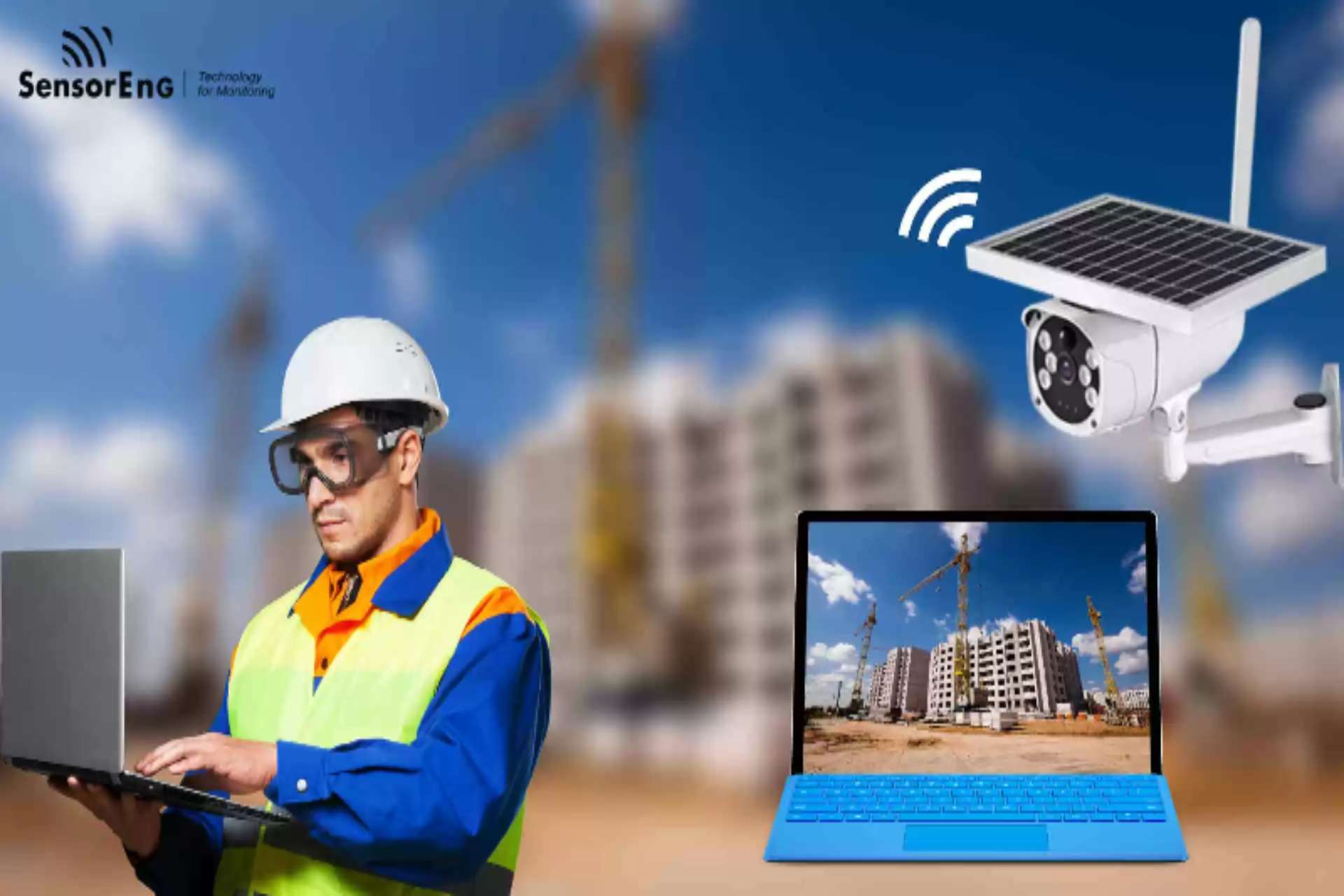
Modern cameras for construction site monitoring are equipped with advanced technology that enables continuous video transmission to any device with internet access. These cameras can be strategically installed to cover various angles, offering a complete view of the work environment. Additionally, integrated sensors can provide data such as temperature, humidity, and motion detection, contributing to more comprehensive monitoring.
Case Studies: Proven Benefits
The McKinsey & Company report highlights how the construction sector can increase productivity by up to 60% by implementing seven distinct levers. For more details, you can access the full study.
Advantages of Real-Time Monitoring
Ensuring Safety
One undeniable advantage is improved on-site safety. With continuous observation, supervisors can quickly identify hazards and act to prevent them. Recordings can also be reviewed to analyze incidents, providing valuable information to avoid recurrence.
Operational Efficiency
Real-time monitoring significantly enhances operational efficiency. By allowing project managers to observe multiple areas simultaneously, they can dynamically adjust resource allocations to address issues before they escalate.
Cost Reduction
While installing cameras may seem like a high initial investment, the financial return is substantial. Reduced risks, fewer safety incidents, and the ability to maintain schedules without frequent on-site inspections generate significant long-term savings.
Technical Considerations in Implementation
Implementing an effective monitoring system requires consideration of several technical factors. The quality of the camera, data storage capacity, robustness of the transmission system, and data security are key elements to ensure effectiveness.
Additionally, choosing a reliable service provider is essential. Ensuring that the provider offers continuous technical support and software updates protects your company against future innovations and potential system failures.
Future Impact of Real-Time Monitoring
The future of real-time monitoring in construction is promising. With the continuous advancement of artificial intelligence and machine learning, new systems are expected to become increasingly autonomous and intelligent, capable of predicting problems before they occur and proposing solutions in real-time. Integration with other technologies, such as drones and augmented reality, also promises to further expand monitoring capabilities.
Conclusion
The introduction of real-time monitoring in construction represents a significant advancement in project management. With proven benefits in safety, efficiency, and cost control, monitoring cameras are an essential tool for any construction project seeking operational excellence. As technology continues to evolve, the potential of these tools only grows, promising to redefine management and safety standards on construction sites.
By integrating these technologies, construction companies can not only improve their internal processes but also increase their competitiveness in the global market, ensuring the delivery of projects with optimized quality and safety.