


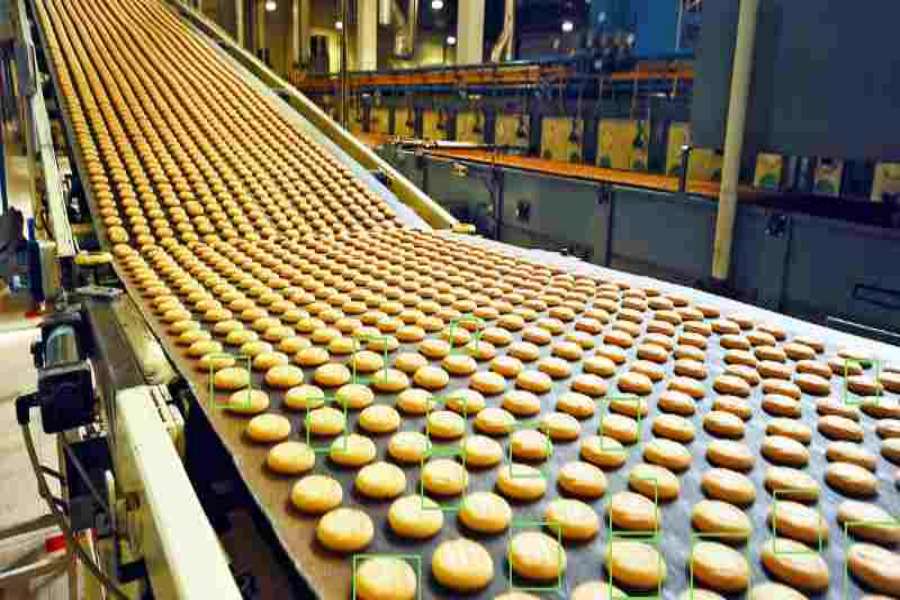
In the contemporary industrial landscape, the pursuit of efficiency and precision in production processes is relentless. Technological innovations, such as automated object counting, are transforming Production Control, making it more efficient and precise. In this article, we explore how the use of cameras and computer vision is revolutionizing this sector, discussing its benefits and challenges, and presenting case studies that prove its positive impact.
Introduction
Production Control plays a crucial role in ensuring that the manufacturing and distribution of products occur efficiently and on time. Traditionally performed manually, object counting can be an error-prone and time-consuming task. With the advent of technology, cameras equipped with computer vision emerge as an effective solution to automate and optimize this process, offering tangible benefits to the industry.
Benefits of Automated Object Counting
Efficiency and Productivity
Automating object counting in production lines can reduce the time required to complete this task, freeing human resources to focus on more strategic activities. Studies indicate a 20% increase in efficiency after implementing computer vision systems, as well as a 10% reduction in production costs. This is particularly important in a competitive market where agility is crucial.
Reduction of Errors and Waste
With automated systems, the accuracy of object counting is significantly elevated, minimizing errors such as product excess or shortage. This accuracy not only reduces material waste but also minimizes rework, thereby optimizing available resources.
Real-Time Monitoring
Counting systems based on cameras not only count objects but also monitor the production line in real time. This enables immediate identification of failures, such as defective products or machine problems, allowing quick interventions that minimize losses and maintain the quality of the production process.
Technologies Used
Computer Vision
Computer vision stands out as a key technology, using cameras and algorithms to process images in real time, allowing objects in motion to be counted with high precision and speed. This system is ideal even in complex environments and ensures the precision needed for Production Control.
Vision Sensors and Automatic Counting Machines
In addition to computer vision, vision sensors integrate cameras with processors that perform analyses at the installation site, while automatic counting machines use sensors to efficiently count and package products.
Case Study: Industry Results
“An Image Processing based Object Counting Approach for Machine Vision Application” – This study presents a computer vision application that performs product counting regardless of type and color, using techniques such as Otsu’s thresholding and Hough transform. Check the full article for more details.
Reduction of Labor Costs
Technology in object counting frees up workforce for more complex and less repetitive tasks, reducing reliance on labor for manual counting tasks. This can result in significant operational cost reduction for companies, allowing workers to focus on roles that require skill and human judgment. Additionally, by minimizing errors and optimizing processes, companies can reinvest savings in innovation and continuous improvements in production processes, expanding their capabilities without necessarily increasing the workforce.
Potential for IoT Integration
The potential integration of object counting cameras with the Internet of Things (IoT) further enhances their capabilities. Connected systems can offer real-time insights into the production line, enabling automatic adjustments and the identification of trends and potential failures before they become significant problems. This connectivity enables more proactive and data-driven Production Control, where decisions are made based on data and predictive analysis. Companies adopting these technologies are better equipped for digital transformation, remaining competitive in an ever-evolving market.
Challenges in Implementation
Despite the advantages, the introduction of automated counting systems involves some challenges. Among them, the initial investment in technology can be significant, and integration with existing systems may require adjustments and training. Additionally, regular maintenance and updates are essential for these systems to remain effective and adapt to new technologies.
Conclusion
Object counting with cameras in production lines represents a significant evolution in Production Control. The advantages in terms of automation, precision, and cost reduction are clear, offering an efficient and competitive alternative for industries. With continued technological advancement, these solutions will become increasingly essential for companies seeking to optimize their processes and stay ahead in the market.