


Introduction
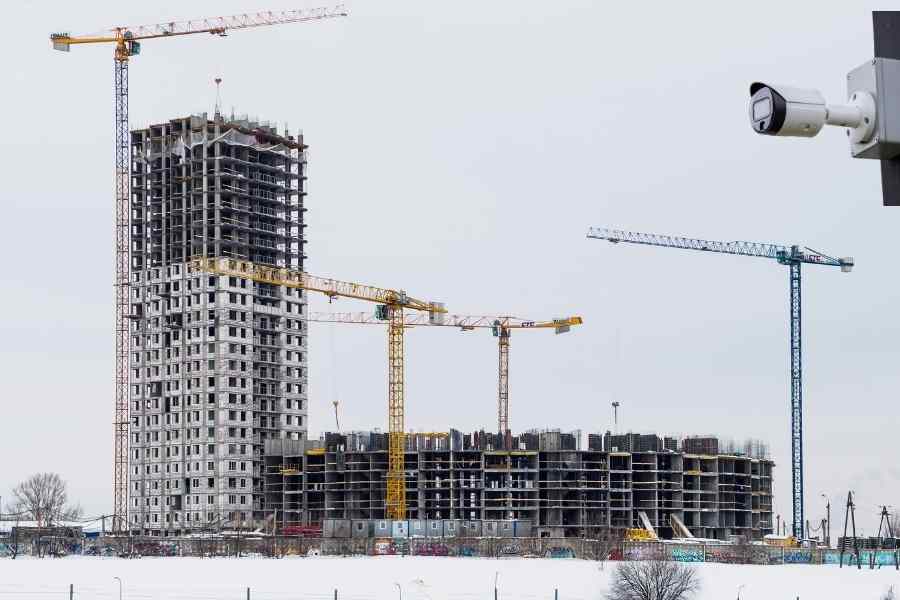
With the advancement of technology in civil construction, new tools are being integrated to make processes more efficient, safe, and transparent. Among these innovations, the timelapse camera for construction has stood out as an essential resource for visually monitoring the physical progress of projects. The timelapse video allows documenting months or years of activities in just a few minutes, providing operational, managerial, and even marketing benefits for construction companies, investors, and end clients.
The importance of timelapse goes far beyond producing impressive records; it is a solution that supports transparency, inspection, and even decision-making in large undertakings. In this article, we delve into the use of timelapse cameras in construction, the benefits of this feature, present international references, and explain how this technology can contribute to your project’s success.
What is Timelapse and How Does It Work in Construction Projects?
Timelapse video is an audiovisual technique that condenses long periods of captured images into a few minutes or seconds. In construction, this system works by installing strategically positioned cameras, programmed to take photos at regular intervals throughout the entire execution of the project. These images are later compiled into an accelerated video, showing the full development of the construction in a dynamic and understandable way.
Implementing timelapse in construction can be carried out by professionals or specialized companies, such as SensorEng, with equipment designed to withstand the adverse conditions of a construction environment. Remote access to images and real-time monitoring are competitive advantages, allowing greater control of all phases, from earthworks to finishing.
Benefits of Timelapse Video in Construction Control
The use of a timelapse camera brings a series of advantages for those who want to ensure the success of their venture. Here are some of the main benefits:
1. Remote Monitoring and Transparency
Timelapse video allows managers, clients, and teams to track the progress of the work from anywhere, reducing the need for physical visits to the construction site. This increases transparency and strengthens the bond of trust between the construction company and the client.
2. Resource Management and Inspection
With continuous recording, it is possible to identify bottlenecks, delays, or schedule deviations. The videos facilitate internal audits, help monitor deadlines, and allow a detailed visual analysis of material usage and labor.
3. Safety and Incident Identification
In addition to the managerial aspect, timelapse can contribute to construction site safety. Recorded images can be used to investigate incidents, improve safety protocols, and prevent future accidents.
4. Marketing and Publicity
Another relevant benefit is the use of timelapse video in marketing campaigns, investor presentations, and institutional portfolios. The feature is impressive, generates engagement, and reinforces the company’s image as innovative and transparent.
International Studies:
This study discusses how timelapse recording enables efficient documentation and analysis of lengthy processes in civil construction. In recent years, timelapse video recorders have replaced traditional film for detailed productivity analysis and the improvement of construction operations. The article covers technical features and equipment options, as well as valuable applications for monitoring field operations—including operations analysis, historical documentation, and dispute resolution. The study presents lessons learned from several years of experimentation, including cases where timelapse was crucial for resolving claims and disputes in construction projects.
How to Implement a Timelapse Camera in Your Construction Project
Adopting a timelapse camera requires planning to ensure efficient results. Here’s what to consider:
Strategic Positioning: Choose locations that allow capturing the entire construction site, avoiding obstructions.
Quality Equipment: Opt for robust cameras with high resolution, suitable for outdoor environments.
Storage and Backup: Ensure that images will be stored in a secure environment with regular backups.
Remote Access: Prefer solutions that allow remote monitoring, via the cloud, directly from a smartphone or computer.
Partnerships with Specialized Companies: Work with providers who offer technical support, installation, and continuous maintenance of the systems.
Practical Applications and Success Stories
Companies that use timelapse video in their construction projects report significant gains in productivity and cost savings. Emblematic cases include large commercial developments, public infrastructure projects, and industries that need to report each stage of the service to regulatory agencies.
In Brazil and worldwide, the trend is for the number of construction projects recorded by timelapse to grow, promoting more efficient management, facilitating audits, and enriching the historical documentation of the project.
Final Considerations
The use of a timelapse camera for construction is consolidating itself as a fundamental practice for companies seeking innovation, efficiency, and transparency. In addition to facilitating technical control, the timelapse video serves as an ally for marketing, inspection, and risk management. Technology has expanded monitoring possibilities and empowered managers to make faster and more assertive decisions, creating an environment of greater reliability among everyone involved in the project.
Adopting timelapse is not just about visually monitoring the construction; it is about replacing bureaucratic processes, increasing productivity, and protecting all investments made on site. Companies that have incorporated timelapse video into their routine are already reaping significant results and have a competitive edge in the civil construction market.