


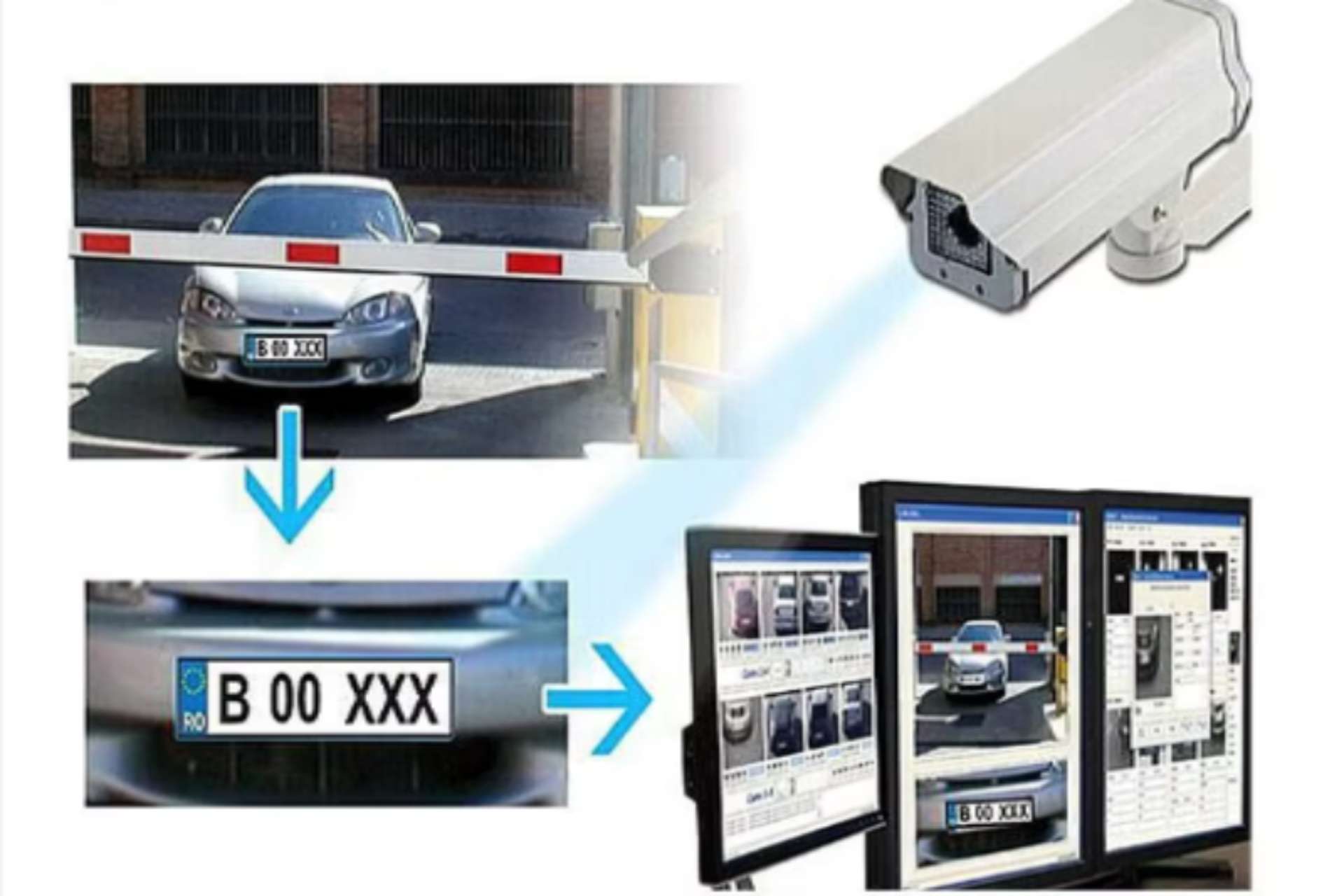
In the modern world, security and efficiency in vehicle access control are essential for businesses, condominiums, and government agencies. In this context, License Plate Recognition (LPR) cameras emerge as an innovative solution. Equipped with Optical Character Recognition (OCR) technology, these cameras automate plate identification, enhancing security and efficiency in access management.
What are LPR Cameras and How Do They Work?
LPR cameras capture images of vehicle plates using high-resolution devices. Utilizing advanced algorithms, these systems process and isolate the characters on the plates. The data is compared with a database, allowing the automatic identification of authorized vehicles. Additionally, the system issues real-time alerts for unregistered vehicles, increasing security and agility in access control.
Benefits of LPR Cameras
Automation and Efficiency
LPR cameras automate vehicle identification, eliminating the need for cards or tickets. This streamlines vehicle flow, reducing queues and wait times at entrances, as evidenced by the Brazilian Association of Electronic Security System Companies (ABESE).
Enhanced Security
LPR technology improves security by granting access only to registered vehicles. This reduces the risks of unauthorized entry and facilitates the monitoring and recording of movements, crucial data for audits and investigations.
Real-Time Monitoring and Management
Continuous monitoring with LPR cameras identifies traffic patterns, aiding in efficient parking management and mobility.
Integration with Security Systems
LPR cameras easily integrate with security systems such as CCTV and alarms, as well as public databases to identify suspicious vehicles. This integration facilitates collaboration between private and public entities, strengthening collective security.
Cost Reduction
The automation provided by LPR cameras reduces the need for personnel to control access, saving on labor costs and allowing resource allocation for strategic activities.
Ease of Traffic Management
LPR cameras are valuable tools for traffic management in urban areas and highways. They allow continuous monitoring of vehicle flow, identifying congestion and facilitating measures to improve traffic flow. Additionally, they can be integrated into automatic toll systems, making the charging process more agile and accurate.
Data Collection and Statistical Analysis
The implementation of LPR cameras enables continuous data collection on vehicle traffic. This data is essential for statistical analyses that aid in urban and road planning. With accurate information on frequently used routes, peak times, and traffic patterns, managers can make informed decisions to improve road infrastructure and optimize the use of public roads.
Improved User Experience
The use of LPR cameras in parking lots and controlled access areas significantly enhances the user experience. Automated entry and exit reduce wait times and eliminate the need for manual interaction, such as retrieving tickets or presenting cards. This convenience increases customer satisfaction, who perceive the system as modern and efficient.
Sustainability and Reduction of Environmental Impacts
Adopting LPR cameras contributes to sustainability and reduces environmental impacts. The automation of vehicle entry and exit processes decreases wait times and, consequently, the emission of pollutants resulting from engine idling. Furthermore, the elimination of paper tickets reduces the consumption of natural resources and waste generation.
Conclusion
License Plate Recognition (LPR) cameras provide a modern and comprehensive solution for vehicle access control. They enhance security, improve operational efficiency, and reduce costs. With clear evidence of their effectiveness across various sectors, LPR cameras continue to be an indispensable tool for environments that require intelligent and effective access control.