


Introduction
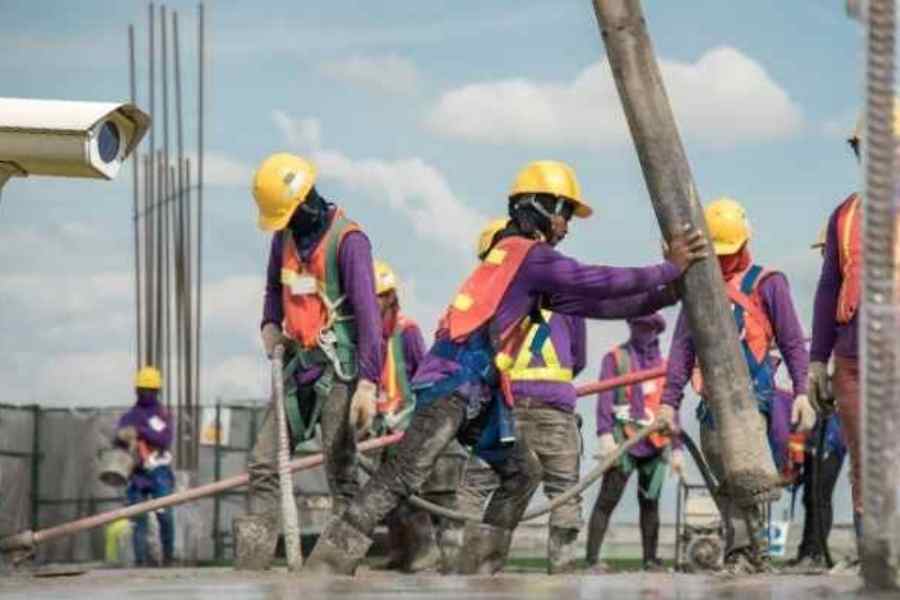
Ensuring safety on-site has always been one of the main challenges in the construction industry. The construction site is a dynamic environment, full of risks for workers, equipment, and materials. In this context, the adoption of monitoring cameras represents a powerful technological tool capable of transforming the daily routine of construction sites, adding value both to the protection of people and to efficient project management. Today, monitoring is not just a distinguishing factor; it has become an essential condition for safer, more productive works in compliance with the sector’s best practices.
The Importance of Cameras for Safety On-Site
The use of monitoring cameras goes far beyond simple surveillance. These technological solutions enable:
Real-time supervision of environments, allowing immediate intervention by identifying risk situations, inappropriate behavior, and incorrect use of PPE.
Deterrence of unsafe practices and unauthorized access, since the presence of cameras can inhibit theft, vandalism, and other actions that endanger the site’s assets.
Supervision of project progress and documentary support for future analyses or audits.
According to a study referenced in an article by Purdue University, United States, the use of cameras on construction sites reduced the number of workplace accidents by up to 30% and increased productivity, since workers feel more protected and focused on their tasks.
Furthermore, continuous visual supervision helps with early detection and resolution of failures, raising the standard of service delivery and contributing to a more organized environment.
Emerging Technologies: Beyond Surveillance, Intelligence
The construction sector has benefited from innovations such as the integration of drones equipped with cameras for inspections and the application of artificial intelligence (AI) and machine learning in image analysis. According to research published in the journal “Ambiente Construído,” drones combined with computer vision can detect collective protection elements, such as guardrails and footboards, with over 95% accuracy, facilitating inspections and protecting workers from exposure to hazards during on-site checks.
Another significant advancement is the application of RFID technology to track and monitor safety equipment, a practice already tested at the Federal University of São Carlos, which enables rigorous control over the location and condition of resources, generating detailed reports for management.
AI, in turn, makes it possible to identify suspicious situations in real-time, such as a person entering a restricted area, unauthorized movement of equipment, or even to predict potential hazards by analyzing worker behavior patterns.
Such systems enhance incident response and help create a culture of safety on-site.
International Studies: Cameras and Accident Prevention
Globally, various studies reinforce the efficiency of cameras for on-site safety in construction projects. The article “Monocular 2D Camera-based Proximity Monitoring for Human-Machine Collision Warning on Construction Sites” proposed a warning system for collisions between machinery and workers based on 2D cameras; the system was able to issue real-time alerts, drastically reducing the risk of accidents involving the movement of heavy equipment.
Another study, “Tracking People in Highly Dynamic Industrial Environments,” introduced an intelligent tracking system that uses CCTV cameras and sensors to accurately follow workers in dynamic environments such as construction sites, increasing the effectiveness of incident prevention.
Ethical Challenges and Regulations
Although the advantages are clear, it is essential to consider the ethical and legal aspects of electronic monitoring. The General Data Protection Law (LGPD) requires companies to be fully transparent regarding the collection and use of images, ensuring workers’ privacy is preserved and that data is used solely for legitimate safety purposes.
Open communication about the presence and use of cameras, instructing teams about the objectives and limits of monitoring, builds trust and prevents labor conflicts.
Conclusion
Investing in monitoring cameras on the construction site is a direct investment in on-site safety, loss prevention, operational efficiency, and regulatory compliance. The benefits range from significantly reducing accidents, protecting assets, and inhibiting theft to supporting management and quality on the job.
The available technology combining continuous monitoring, intelligent solutions based on AI, RFID, and drones strengthens construction as a more modern, safe, and competitive sector.
Finally, the implementation of these solutions must be conducted with responsibility, ethics, and respect for privacy. Only in this way will the construction industry continue to move forward, saving lives and ensuring the success of projects.