


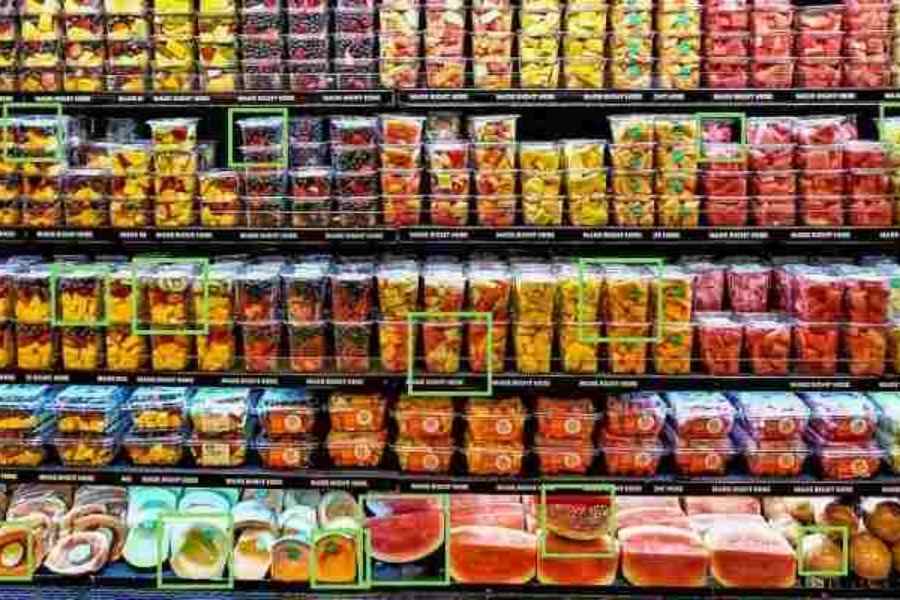
In today’s competitive retail environment, gondola control has emerged as one of the most powerful tools for maximizing sales and ensuring a superior customer shopping experience. It is not enough to merely display products; strategic planning about how each item is presented, the visual impact generated, and, above all, how layout and organizational choices truly drive results is crucial. In this context, the keyword “Gondola Optimization” moves beyond being a trend and becomes a fundamental differentiator for any supermarket seeking efficient and innovative growth.
Why Are Gondola Control and Optimization Essential?
Gondola control goes far beyond simply organizing shelves. It encompasses everything: from the strategic positioning of products (by category, demand, or profitability) to constant monitoring of inventory to avoid both stockouts and excess, both of which are harmful to profitability.
Gondola optimization is based on the premise that an efficient layout promotes intuitive customer movement through the store, makes access to key items easier, and stimulates impulse purchases. The use of visual merchandising resources proper lighting, vibrant colors, themed displays is essential to create a welcoming environment and increase the time spent in the store.
Additionally, several factors feed into the optimization equation: clear and attractive signage, the grouping of complementary products (such as wine and cheese, or coffee and biscuits), special promotions at gondola ends all contributing to raising the average ticket and customer satisfaction.
Gondola Organization as a Sales Strategy
The placement of products on shelves directly influences purchase decisions. International studies show that products placed at eye level have the highest turnover, while items on lower or higher shelves tend to be less noticed. An article published on the Arxiv platform details how shelf design can increase profitability by up to 7% just through the strategic repositioning of products especially those with higher margins.
Another essential aspect is product rotation: periodically changing the arrangement prevents customers from getting used to the layout and allows them to notice new products, encouraging experimentation with new brands or categories.
Just as important is the grouping of complementary items, creating “convenience islands” that drive cross-selling. For example, displaying pasta next to sauces and spices offers convenience and adds value to the shopping process.
Technology and Data in Gondola Optimization
Technology has revolutionized gondola control. Today, management software enables rapid analysis of SKU performance, identification of imminent stockouts, and recommendations for optimal restocking. Systems based on genetic algorithms can already propose optimized gondola layouts in large stores, simulating different scenarios and suggesting the best configurations in minutes.
Another notable development is robotic automation for shelf replenishment: recent research shows that robots equipped with sensors and artificial intelligence can already identify misplaced products and automatically rearrange items to maintain visual standards and minimize gaps even in complex environments.
These smart tools not only raise the level of operational efficiency but also free up staff to focus on customer service and promotional activities, making the supermarket environment more dynamic and attractive.
Evidence of Results – The Impact of Gondola Optimization
The research notes that supermarkets investing in strategic organization, visual merchandising, and refined stock management not only increased sales but also secured greater customer loyalty, as shoppers came to value the organization and convenience provided.
Conclusion
Implementing effective gondola control and continually investing in gondola optimization is not a luxury, but an urgent necessity for supermarkets aiming to grow sustainably and lead in highly competitive environments. The key lies in the intelligent use of data, the implementation of technology, careful layout planning, and the ongoing pursuit of a pleasant and efficient shopping experience.
The international market itself proves that small adjustments to product positioning and presentation can significantly boost revenue and it is precisely these details that make all the difference. Don’t just display products: turn your gondolas into true engines of sales and customer satisfaction.