


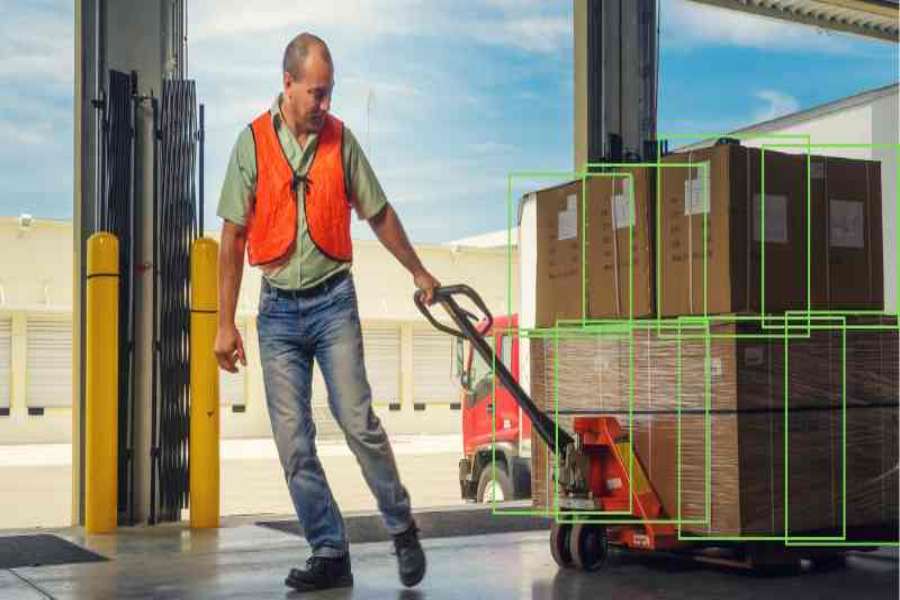
In today’s fast-paced logistics and inventory management world, precision and efficiency are paramount for success. The task of counting products on pallets is vital, yet it often faces errors when performed manually. Fortunately, technological advancements are transforming this practice through Inventory Automation, utilizing cameras and computer vision systems to enhance the counting process of items stored on pallets.
The Importance of Inventory Automation
Manually counting pallet products can lead to significant errors, such as incorrect numbers and faulty records. These inaccuracies impact inventory precision, potentially causing overstock or shortages, which directly affects the supply chain and customer satisfaction. Moreover, manual counting is labor-intensive and time-consuming, leading to elevated operational costs.
Computer Vision Technologies in Counting
The use of computer vision technologies facilitates the automation of pallet product counting. Cameras positioned strategically capture images, and intelligent software analyzes these to identify and count products based on visual features such as shape, color, and size. This not only boosts accuracy but also accelerates the counting process, minimizing human error and optimizing time.
Innovations in Automated Counting
The evolution of technology continuously introduces innovations that enhance automated counting systems. Machine learning algorithms are being integrated with computer vision to improve accuracy by learning from data patterns and adapting to different product types. This adaptability ensures that even complex or varied items can be accurately counted, further enhancing inventory precision.
Ensuring Seamless Integration
A key factor in successfully deploying automation is ensuring seamless integration with existing systems. Companies need to evaluate their current infrastructure and choose solutions that align with their technological ecosystem. This approach minimizes disruptions and fosters a smooth transition to more advanced inventory management techniques.
Assessing Return on Investment
Investing in automation involves upfront costs, but the long-term benefits often outweigh these initial expenses. Companies should conduct thorough ROI analyses to understand the financial impact of automation. By considering factors like labor savings, error reduction, and improved customer satisfaction, businesses can justify their investments and strategically allocate resources.
Building a Forward-Thinking Workforce
As automation transforms inventory practices, the role of the human workforce is also evolving. Employees can shift focus from repetitive tasks to more strategic functions, such as analyzing data and optimizing operations. Training and development programs are crucial to equip the workforce with the necessary skills to thrive in an automated environment, paving the way for continued innovation and efficiency in logistics.
Benefits of Automation in Pallet Counting
Increased Accuracy and Efficiency: Automation reduces human errors, ensuring counts and records are precise and reliable, preventing disorganization and losses.
Optimization of Time and Resources: Automation allows for quick execution of repetitive tasks, freeing employees for more strategic roles.
Cost Reduction: Better inventory control avoids excess and waste, cutting unnecessary storage costs.
Enhanced Decision Making: Accurate data and detailed reports give managers insights for strategic planning and identifying operational bottlenecks.
Case Study: Successful Implementation
One notable example is a retail chain that adopted inventory automation with RPA to update inventories across thousands of locations. This increased data accuracy by 98%, significantly reducing stockout risks. Another study highlights a manufacturing company using automation for spare parts replenishment, cutting downtime by 30% related to part shortages, thus boosting efficiency.
Practical Implementation of Automated Systems
Integrating these systems may seem daunting, but plug-and-play solutions make this easier. Modern software offers intuitive interfaces, integrating seamlessly with existing Warehouse Management Systems (WMS), allowing companies of all sizes to adopt automation competitively.
Challenges and Solutions
Transitioning to automation may involve challenges, such as adapting warehouses and maintaining the tech infrastructure. Overcoming these obstacles requires strategic planning and partnerships with experienced tech providers. Ongoing training for staff on new systems is crucial for sustained success.
The Future of Logistics Prosperity
Automation in product counting is only the start of a broader logistics transformation. Emerging technologies like AI and IoT will provide companies with a comprehensive real-time operational view, creating a new inventory management paradigm and driving superior innovation and operational efficiency.
To fully leverage Inventory Automation, staying abreast of tech trends and investing in continuous innovation are key steps toward success.
Conclusion
Pallet product counting is essential for efficient inventory management, and Inventory Automation with cameras and vision systems offers a powerful response to its challenges. By investing in these technologies, companies enhance their precision, cut costs, and make better decisions. Embracing these solutions is a strategic move towards inventory management excellence, fostering more effective and competitive logistics operations.