


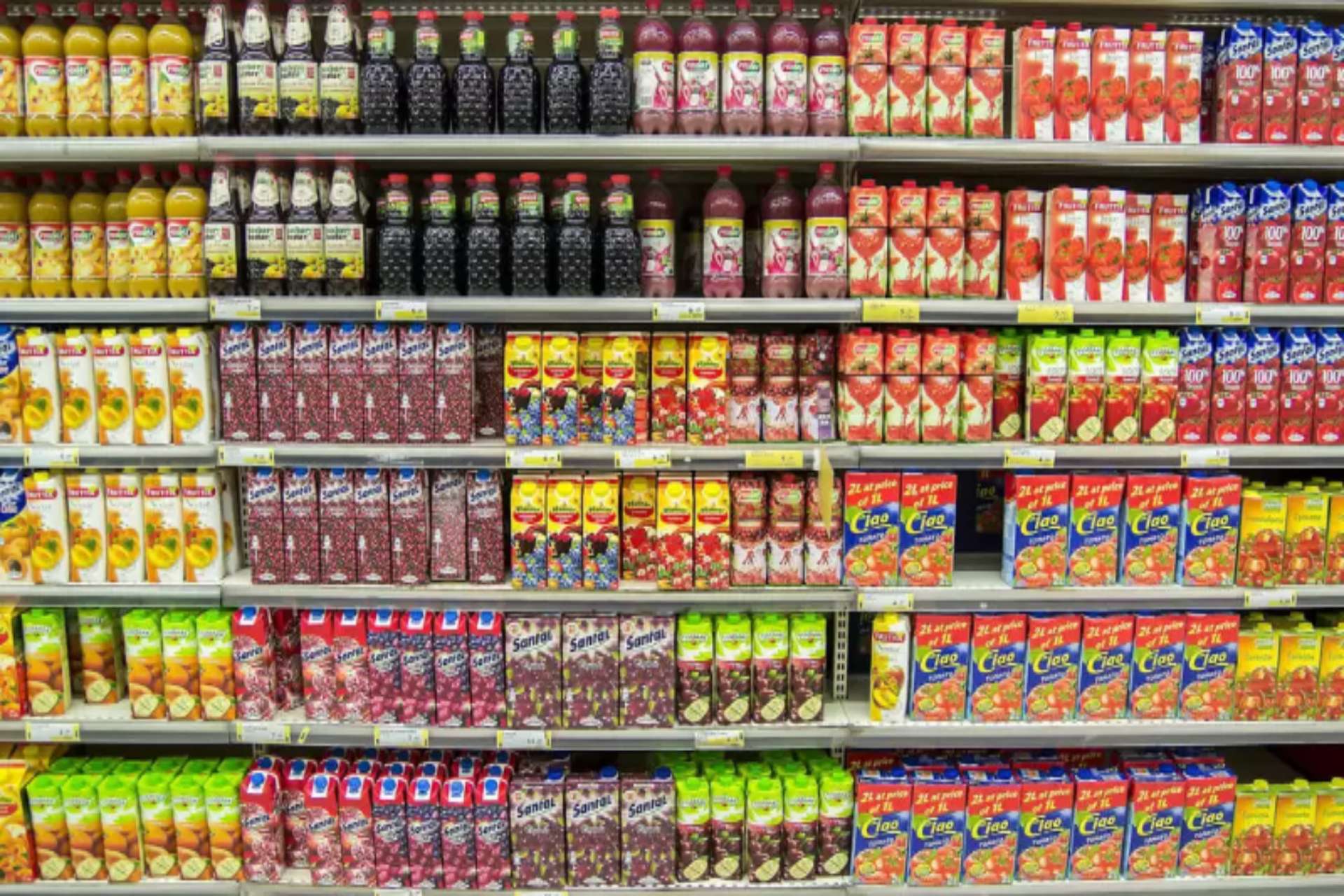
In the competitive world of supermarkets, inventory management has become essential to ensure operational efficiency and customer satisfaction. With technological advancements, shelf control is gaining momentum as a revolutionary solution.
Introduction
Inventory management is a key pillar for the success of any supermarket. Ensuring shelves are always stocked with the right products at the right time is a constant challenge. The introduction of smart cameras for shelf control promises to transform how this management is carried out, providing significant benefits to retailers.
What is Shelf Control?
Shelf control involves using cameras equipped with artificial intelligence to monitor the state of shelves in real time. These cameras can identify out-of-stock products, incorrect placements, or even predict future replenishment needs.
Benefits of Shelf Control
Efficient Replenishment: Cameras continuously monitor shelf stock, automatically signaling when a product is running low, allowing for quick and precise restocking.
Reduced Losses: With tighter stock control, losses due to expiration are minimized, as the technology alerts staff about products that need to be sold quickly.
Enhanced Customer Experience: Ensuring that popular products are always available increases customer satisfaction, boosting sales.
Proven Benefits
Walmart launched the “Intelligent Retail Lab,” which uses cameras to automatically monitor inventory, facilitating inventory processes and ensuring product availability.
Additionally, the study “Shopper Analytics: a customer activity recognition system using a distributed RGB-D camera network” presents an integrated system utilizing RGB-D cameras to monitor customer behavior in smart retail environments, detecting product interactions on shelves.
The Technology Behind Smart Cameras
The smart cameras used in shelf control are equipped with advanced image recognition systems and artificial intelligence. These technologies enable cameras to identify specific products, detect misplaced items, and even estimate when restocking is needed. By integrating this system with the supermarket’s inventory management software, alerts and reports can be automated, providing an accurate view of the current shelf status. This automation reduces employee workload, allowing them to focus on more strategic tasks and customer service.
Economic Impact of Automation
Automating inventory control through smart cameras can bring significant economic impacts to supermarkets. By reducing stockouts and minimizing waste, supermarkets can optimize their profit margins. Moreover, cameras help decrease losses due to product obsolescence, ensuring items are sold within their shelf life. Initial technology investments are quickly offset by increased efficiency and incremental sales. With often tight profit margins, these improvements represent a necessary relief and a competitive market advantage.
Challenges in Adopting New Technologies
While promising, adopting smart cameras for shelf control is not without challenges. Initial investments can be high, especially for smaller chains, making a detailed cost-benefit analysis crucial. Additionally, integrating this system with existing technologies needs to be smooth to avoid operational disruptions. Consumer privacy concerns must also be considered, requiring supermarkets to adopt clear data management practices and ensure customer sensitive information is protected. Educating and training staff on using these new tools is essential for a successful transition.
Future of Smart Inventory Management
The future of inventory management in supermarkets seems increasingly dependent on technological integrations like camera control. With the continuous evolution of artificial intelligence, these technologies are expected to become even more accurate and accessible. Future supermarkets may predict consumption trends with greater accuracy and proactively respond to changes in consumer behavior. Additionally, the potential integration with other emerging technologies, such as the Internet of Things (IoT) and blockchain, may offer even more control and transparency across the supply chain, reshaping the food retail sector.
Implementing this technology requires an initial investment in equipment and staff training, but the return on investment tends to be quick. Supermarkets adopting this innovation observe significant improvements in various operational areas.
Conclusion
Shelf control through smart cameras emerges as a promising innovation in supermarket inventory management. Evidence points to a future where technology not only improves operational efficiency but also enhances consumer experience. With the rapid evolution of AI technologies, we can expect this revolution to continue growing, redefining the food retail landscape.
Thus, supermarkets seeking to stand out in an increasingly competitive market should seriously consider adopting this technology, reaping its immediate and long-term benefits.