


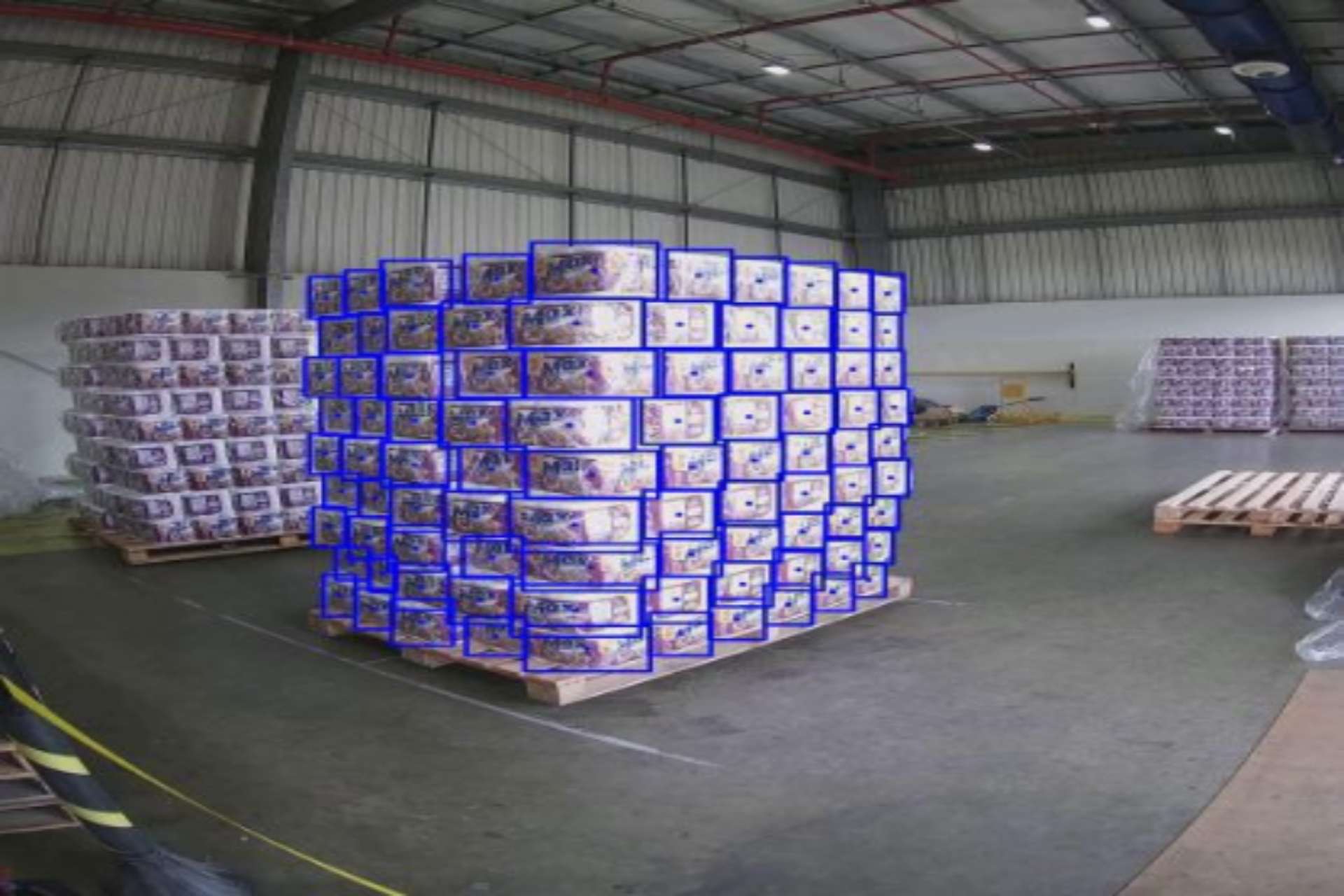
Warehouse management is critical for companies aiming to optimize their logistics operations and reduce operational costs. One of the most challenging activities in this environment is the accurate counting of products on pallets, which can directly impact stock efficiency and precision. In this article, we’ll explore how the use of cameras can revolutionize this process, offering not only precision but also time and resource savings.
Introduction
In today’s competitive landscape, inventory count accuracy is vital for keeping the supply chain running smoothly. Traditionally, counting products on pallets was done manually, a process prone to human error and requiring significant time and labor. With technological advancements, especially with the introduction of cameras and automated systems, counting has become not only more reliable but also faster and more economical.
How Cameras Work in Product Counting
Modern cameras used in counting products on pallets work integrated with artificial intelligence systems, capable of automatically identifying, quantifying, and recording stacked products. This is done through algorithms that analyze images and detect patterns, allowing accurate and fast counting.
Intelligent Monitoring for Enhanced Security
The integration of intelligent camera systems in warehouse management not only optimizes the counting of products on pallets but also strengthens the overall security of the premises. These systems allow continuous monitoring, even in adverse conditions, and can be accessed remotely by internet-connected devices. Additionally, combining thermal cameras with facial recognition access control systems helps prevent unauthorized entry, enhancing the protection of stock and staff.
Implementing IoT in Warehouses
The Internet of Things (IoT) is pushing new levels of efficiency in warehouse management. IoT sensors connected to cameras provide real-time data on product movement, environmental conditions, and space utilization. This allows for optimized logistics processes, preventing losses and avoiding failures in storage systems. With IoT, managers can make more informed decisions based on accurate and up-to-date analyses, resulting in more agile and effective operations.
Training and Capacity Building in Technology
A crucial point for the successful implementation of technology in warehouses is the adequate training of the team. As new technologies are introduced, employees need to be trained to operate them correctly. Investing in training programs not only increases operational competence but also improves employee morale, making them feel safer and more valued. This holistic approach ensures that technological transitions occur smoothly and that the benefits of new tools are fully realized.
Benefits of Using Cameras
Increased Accuracy: With automated detection, human error is practically eliminated.
Time Savings: Counting that used to take hours can now be done in minutes, freeing staff for other crucial tasks in the warehouse.
Reduced Operational Costs: With less need for labor dedicated to counting, operational costs are significantly reduced.
Case Study
Artificial intelligence technology, combined with drones equipped with cameras, is being used to efficiently monitor warehouses. A study mentions that IKEA implemented 100 drones to monitor their warehouses across Europe, resulting in greater transparency and accuracy in inventory management processes.
Challenges and Considerations in Implementation
Despite their clear advantages, implementing camera systems for inventory counting does not come without challenges.
Initial Cost: The investment in technology can be an initial barrier for some companies, but the long-term benefits often outweigh the costs.
Integration with Existing Systems: Adapting new systems to the existing environment and technology requires a careful and well-planned approach.
Training: Equipping the team to operate and maintain new technologies is crucial for successful implementation.
Conclusion
The use of cameras in counting products on pallets represents a significant advancement in warehouse management. By automating counting, companies can improve accuracy, save time, and reduce operational costs, while also increasing the overall efficiency of the warehouse. Although there are challenges in implementation, the benefits are undeniable and represent an opportunity for innovation in modern logistics. Investing in technology not only strengthens the supply chain but also positions companies as leaders in a highly competitive market.