


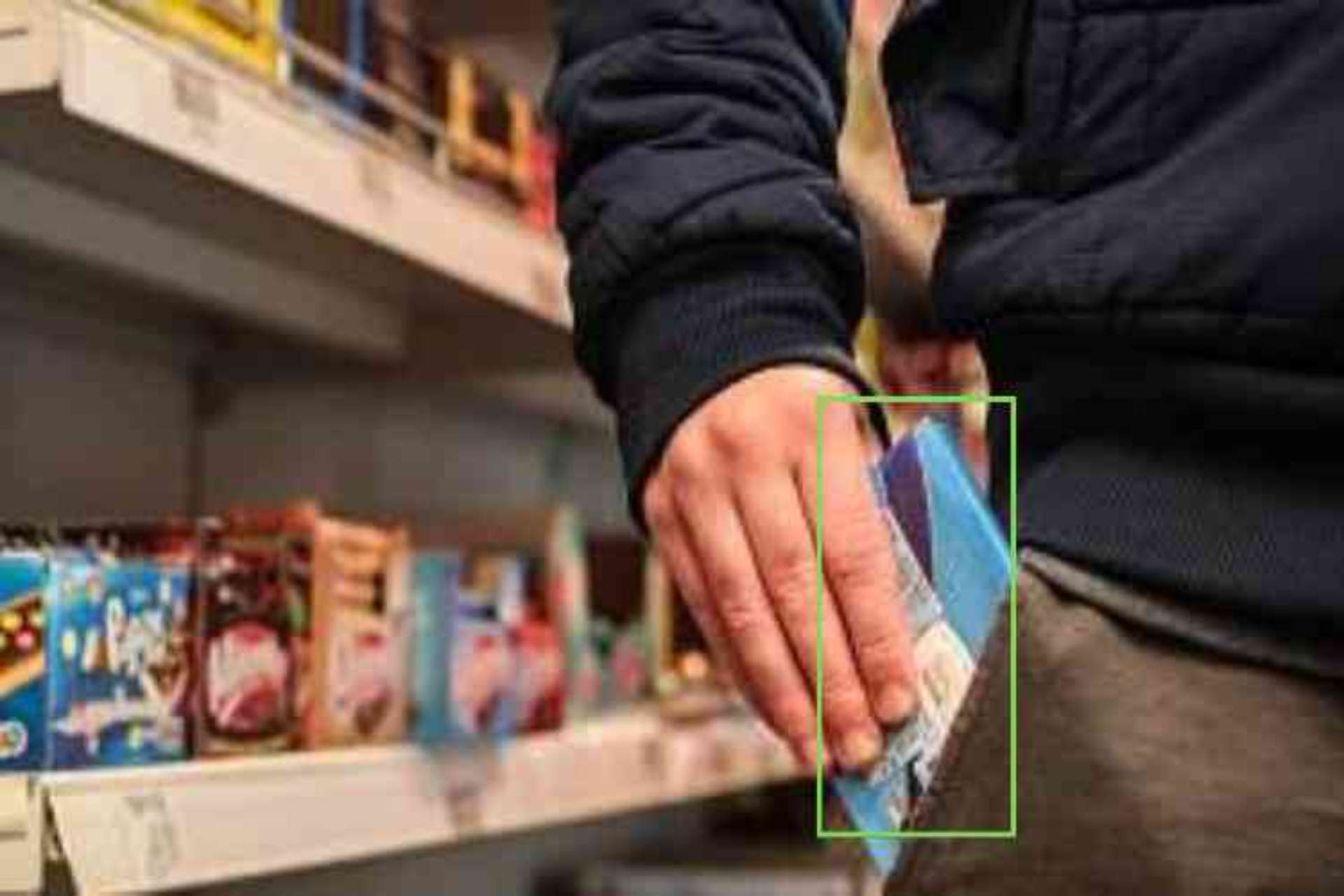
Shoplifting is the act of stealing goods from a store without paying for them. It is a common form of theft that affects retailers of all sizes, causing significant financial losses. Shopkeepers often face challenges with shoplifting, which can involve both casual offenders and organized groups. Consequences for perpetrators can vary according to local laws and the severity of the act, ranging from fines and community service to criminal charges and imprisonment. To combat this practice, retailers employ various prevention strategies, such as surveillance cameras and trained security teams.
Do stores keep track of shoplifters?
Yes, many stores keep records of shoplifters. They use surveillance systems, such as security cameras, to monitor suspicious activities and identify repeat offenders. Loss prevention teams are employed specifically to handle theft cases, documenting incidents in internal databases. Additionally, large retail chains often share information about offenders among their different locations to prevent thefts in other places. When a theft case is detected, it is usually reported to the police, creating official records that can be used in legal proceedings or shared with other local businesses to deter future incidents.
How do shoplifting detection cameras work?
Shoplifting detection cameras function by utilizing advanced technologies to identify suspicious activities in retail environments. These cameras are equipped with sophisticated video analysis software capable of detecting movements and typical theft actions, such as concealing items or frequently looking around. The systems analyze behavior patterns in real time, comparing them with predefined algorithms to alert security personnel about potential theft incidents. Some cameras leverage artificial intelligence to improve accuracy, enabling them to differentiate between normal and suspicious behaviors. Additionally, they can interface with data systems to cross-reference information from previous incidents, effectively assisting in the identification of repeat offenders.
Evidence supporting the effectiveness of such video monitoring systems can be found in a case study from Machadinho do Oeste, where the implementation of monitoring cameras has led to a significant reduction in crime rates, as detailed CTPM. This example demonstrates the practical benefits and effectiveness of surveillance technologies in deterring criminal activities, thereby substantiating their use in preventing theft and enhancing overall store security.
What is the punishment for shoplifting?
The punishment for shoplifting varies according to local legislation and the severity of the crime. In cases of petty theft, the offender may face misdemeanor charges, resulting in fines and restitution to the merchant for the stolen goods. Additionally, the offender can be sentenced to community service or placed on probation, during which they must meet certain court-imposed conditions. For repeat offenders or when the value of the items is substantial, the charge can escalate to a felony, leading to more severe penalties, including larger fines, extensive probation programs, or even imprisonment, especially in cases of organized theft.
Do security cameras actually deter thieves?
Yes, security cameras can indeed deter thieves. The visible presence of cameras acts as a preventive measure, alerting potential offenders that they are being monitored. Thieves often avoid locations where they perceive a higher risk of being identified and caught. Additionally, cameras help gather visual evidence that is valuable for police investigations and prosecuting offenders in court. In many cases, the mere presence of cameras is enough to reduce the number of theft attempts. However, the effectiveness of cameras increases when combined with other security methods, such as frequent security patrols and alarm systems..
Advantages of using shoplifting detection cameras.
Dissuasion of Crime: The presence of cameras deters potential thieves from committing theft.
Real-Time Monitoring: Enables continuous surveillance of vulnerable store areas.
Evidence Collection: Captures visual evidence that assists in identifying and prosecuting offenders.
Behavioral Analysis: Intelligent software detects suspicious behavior automatically.
Technology Integration: Operates with alarms and other security systems for enhanced protection.
Loss Reduction: Helps reduce financial losses due to theft.
Security Reinforcement: Supports the actions of on-site security personnel.
Repeat Offender Identification: Helps identify and monitor habitual offenders effectively.
Conclusion
Cameras for detecting shoplifting have emerged as a critical tool in the fight against theft in stores, combining advanced surveillance technology with artificial intelligence algorithms to identify suspicious behavior. Integrated into traditional security systems, these cameras not only provide a means to reduce financial losses for retailers but also enhance overall store security by enabling real-time responses to potential incidents. Furthermore, the implementation of these technologies can contribute to a safer and more comfortable shopping environment for legitimate consumers while deterring illicit acts. However, it is crucial that customer privacy concerns are carefully managed, ensuring that the use of these technologies always complies with data protection laws and respects individual rights. Thus, shoplifting detection cameras represent a significant advancement in protecting commercial interests, while also posing challenges that must be carefully managed to ensure their effective and ethical use.