


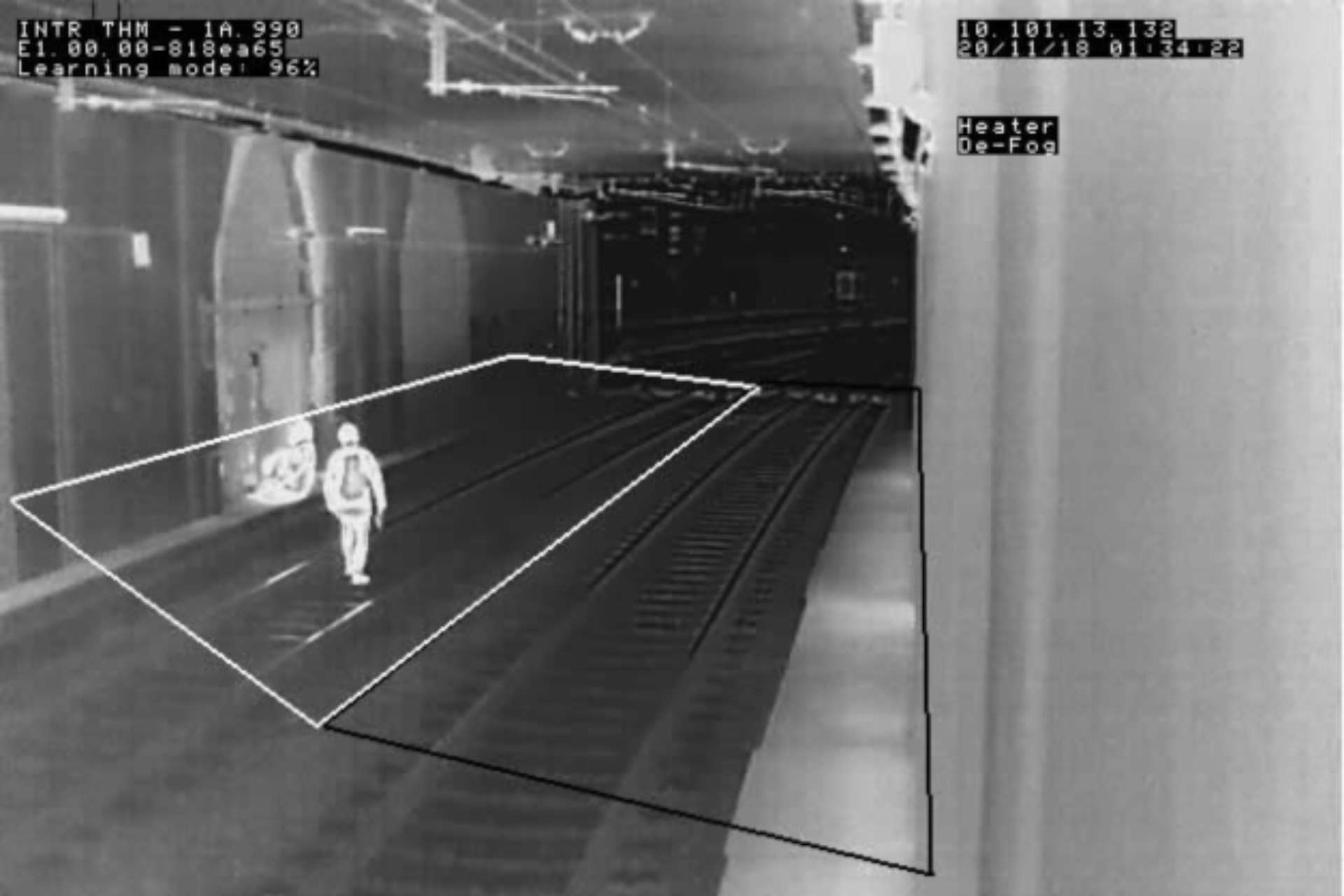
Intrusion detection in physical environments has become an essential tool across various sectors that require enhanced security. Contrary to what many might assume, this type of detection is not related to cyberattacks but rather to the protection of physical spaces such as industrial, commercial, and residential areas, ensuring that only authorized personnel access these spaces. Below, we will explore the importance, functioning, practical applications, and future perspectives of intrusion detection systems.
The Relevance of Intrusion Detection
In an era of advanced technology, protecting restricted areas is more crucial than ever. Intrusion detection stands out as an effective method for monitoring and defending physical spaces against unauthorized access. This system differentiates from cyber intrusions by focusing on tangible locations such as factories, offices, and construction sites. Protecting these areas is vital to avoid financial losses and maintain the operational security of companies. Intrusion detection, therefore, aligns with the specific needs of different sectors, providing an additional layer of protection that prevents illicit activities and ensures a safe environment.
Functioning of the Intrusion Detection Sistem
Intrusion detection systems are sophisticated and designed to identify unauthorized access in real time. They are configurable, allowing users to define specific areas where access is prohibited. This is achieved through the geographical mapping of facilities and the setup of “sensitive zones,” where only certain people can transit. Using advanced technologies, such as surveillance cameras and motion sensors, these systems continuously monitor the area. The key differentiator is the ability to customize access conditions, adjusting times and specific parameters for each user or group of users. When an intrusion is detected, the system is designed to send automatic alerts to the responsible parties via various channels, such as email and messaging apps, ensuring a rapid response to any attempted breach.
Practical Applications of Intrusion Detection
The versatility of intrusion detection systems allows for their application across various industries. In the industrial and commercial sectors, they are used to protect valuable production and storage facilities, preventing theft and sabotage. In the construction sector, they help safeguard equipment and materials at worksites, where the risks of unauthorized entry are high due to ongoing activity. In corporate environments, they ensure that only authorized personnel access critical rooms and facilities, helping maintain strict control over who enters and exits the space. Besides protecting against unwelcome access, these applications facilitate monitoring the flow of people, optimizing logistics within companies, and improving the overall security of operations.
Benefits of Intrusion Detection
Intrusion detection systems offer multiple benefits beyond mere security. One of their main advantages is the effective prevention of theft and vandalism, acting as a deterrent to illegal activities. By continuously monitoring the space, the system also provides a clear view of the flow of people, which is particularly useful for managing complex zones where the movement of personnel needs to be controlled. This technology, besides being a safety tool, functions as an operational management mechanism, helping managers maintain order and efficiency in their facilities. The ability to customize alerts and easy access to security information makes this system a complete solution for protecting sensitive environments.
Technologies Involved and Future Perspectives
Technological innovation is the driving force behind intrusion detection systems. Solutions like those offered by Sensor Smart stand out for their customization and integration capabilities with other security tools. This technological flexibility allows the systems to adapt to the specific needs of users, ensuring robust and adaptable protection. As technology advances, these systems are expected to become even more integrated and efficient, with the possibility of adopting artificial intelligence to predict suspicious behaviors before they occur. Future prospects are promising, pointing to greater convergence between different security technologies, enhancing the protection and control over restricted spaces.
Intrusion detection in physical environments is an indispensable solution for contemporary security. Combining cutting-edge technology, ease of use, and adaptability, these systems not only protect but also enhance the management and efficiency of operations across various sectors. They exemplify the technological advancement applied to security, promising a future where increasingly more areas will be kept safe and protected from unwanted intrusions.