


Introduction
In the context of urban mobility and road safety, the search for innovation and automation is constant. The advancement of License Plate Recognition cameras, known as LPR, is proving to be a transformative tool. Using “License Plate Registration” as the central keyword, this article explores how LPR technology is redefining everyday practices, bringing efficiency, safety, and intelligence to both the public and private sectors.
What Is LPR and How Does License Plate Registration Work?
LPR technology employs high-definition cameras capable of instantly identifying, capturing, and automatically reading vehicle license plates. By using advanced computer vision algorithms and optical character recognition (OCR), plate images are converted into alphanumeric data. With this information, automatic License Plate Registration can be performed and integrated into databases for different purposes, such as access control, monitoring, or criminal investigations.
A key differentiator of current solutions is the integration with Artificial Intelligence, which makes recognition fast and accurate even under low lighting, damaged plates, or adverse conditions.
Practical Applications of License Plate Registration with LPR
1. Traffic Management
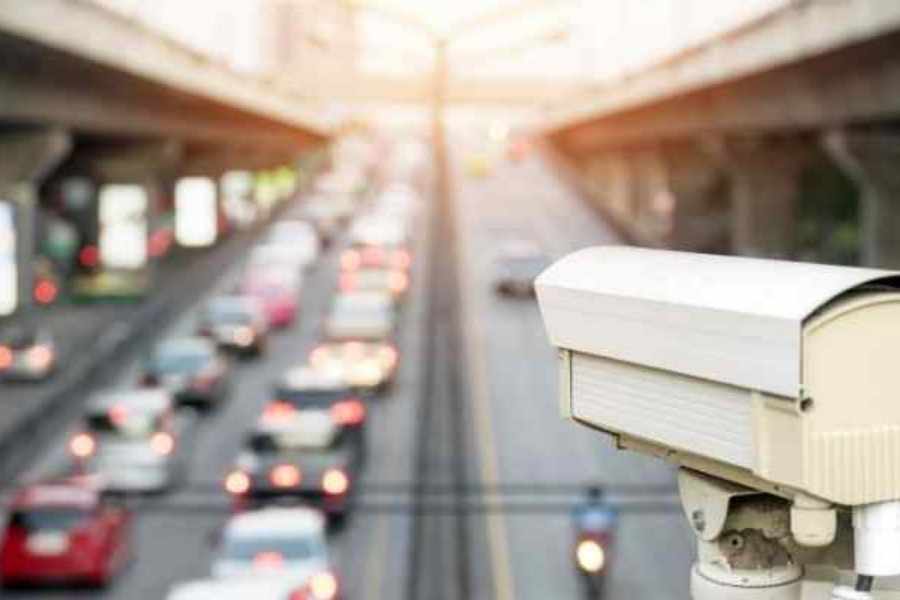
LPR cameras have modernized the monitoring of public roads. They allow for the identification of traffic violations, such as running red lights or speeding, helping to issue automatic fines and collect valuable data on traffic patterns. This information is essential for smart urban planning, helping reduce congestion and promote safer traffic.
2. Public Safety
License Plate Registration performed by LPR technologies is a key element in combating vehicle theft and in police investigations. Security forces can quickly identify stolen cars or monitor strategic areas. In the USA, for example, entire residential neighborhoods already use LPR cameras, enabling constant surveillance and rapid response by authorities, increasing the community’s sense of security.
3. Access Control and Parking
In private parking lots, condominium garages, and restricted areas, automating License Plate Registration through LPR speeds up vehicle entry and exit, reduces lines, and lowers operational costs by eliminating the need for manual control. An exemplary case is the Larcomar shopping center in Peru, where the reading rate reached an impressive 99.8%, making the ticketless process an efficient and secure reality.
International Study: Efficiency and Limitations of the Technology
Several studies assess the efficiency of License Plate Recognition cameras. An analysis published in the Journal of Experimental Criminology shows that, over 30 days, police patrols equipped with LPR showed no statistically significant difference in crime reduction compared to areas without the technology. The study highlights the importance of considering that effectiveness varies depending on the context of use and stresses that LPR is a complementary tool, best used when integrated strategically with other forms of monitoring and policing.
On the other hand, technical research shows that the robustness of LPR systems in real conditions is high: for example, a system based on AI (YOLO detector) achieved a recognition rate of 93.53% in 2,000 frames of heavy traffic video, demonstrating the technological maturity of the solution.
Challenges and Ethical Considerations
Despite the undeniable benefits, the massive implementation of License Plate Registration through LPR raises serious ethical concerns. The continuous storage of vehicle location data without explicit consent may create privacy issues and misuse of collected information. Errors caused by damaged or misaligned plates can also result in unjust fines and harm innocent citizens.
Market Outlook
The global LPR Camera market highlights the growing demand for License Plate Registration solutions: in 2023, the sector was valued at US$1.42 billion, with projections to reach US$3.22 billion by 2030, at an annual growth rate (CAGR) of 12.6%. This evolution demonstrates the recognition of LPR as a fundamental investment for public agencies and private companies, especially in countries seeking smart and safe cities.
Conclusion
Vehicle License Plate Recognition technology (LPR) is already part of the reality of smart cities. Automated License Plate Registration brings impressive gains in access control, parking management, public safety, and urban mobility. The accuracy of these systems, which can reach over 99% in ideal scenarios, combined with the market’s expansion, marks an irreversible trend.
However, society must also advance discussions on privacy and ethics, promoting clear and transparent legislation regarding technology use. The balance between efficiency and respect for citizens’ rights will be the distinctive feature of truly intelligent and safe cities of the future.