


Introduction
Workplace safety has become a strategic priority for modern companies, especially in industrial sectors and construction. One of the fundamental pillars of worker protection is the proper use of Personal Protective Equipment (PPE). However, ensuring Compliance with Standards specifically those relevant to occupational health and safety, such as NR 6 goes far beyond simply providing equipment; it requires constant and effective monitoring of the correct use of PPE.
Traditionally, enforcing the use of this equipment depended on direct supervision, which, besides being costly, is subject to human error. However, advances in Artificial Intelligence (AI) and computer vision have revolutionized this reality, bringing automated solutions that increase the effectiveness of monitoring and ensure compliance in daily operations.
The Importance of Compliance with Standards
Compliance with Standards is more than a legal requirement: it guarantees risk reduction, worker protection, and shields the company from fines, legal sanctions, and, most importantly, accidents that can result in serious injuries or fatalities. In Brazil, Regulatory Standard NR 6 mandates that PPE must be provided, instructed, and supervised by the employer, making adherence monitoring a continuous obligation.
Moreover, non-compliance is usually associated with negative financial impacts: medical leave, labor indemnities, and increased insurance costs are just a few examples. Therefore, creating an environment where Compliance with Standards is constant benefits the entire production chain.
New Technologies: Automated PPE Detection
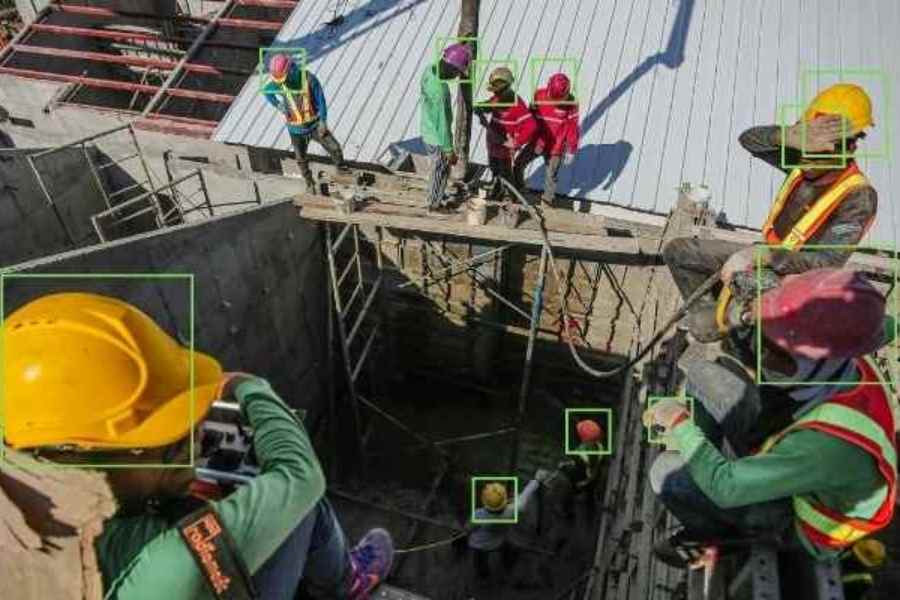
With the advent of AI-based solutions, monitoring PPE usage has undergone a real transformation. Modern systems deploy cameras and computer vision algorithms to identify, in real time, whether workers are wearing equipment such as helmets, gloves, safety goggles, and vests.
Automated detection operates 24 hours a day, 7 days a week, ensuring that non-compliance situations are quickly detected and reported to managers. This allows for rapid intervention, preventing accidents and promoting a strong safety culture.
In addition to visual monitoring, these systems accumulate data about PPE use, enabling detailed analyses for identifying patterns, problem areas, and opportunities for continuous improvement.
Benefits of Automated Detection for Compliance with Standards
The key to advancing workplace safety with AI lies in turning data into action. Among the highlighted benefits are:
Continuous and immediate monitoring: Failures in PPE use are detected in real time, ensuring quick responses before an accident occurs.
Reduction of human error: Automation considerably decreases the mistakes inherent to manual supervision, promoting objectivity and efficiency.
Strategic decision-making database: Information about PPE usage is constantly stored, allowing analyses that guide training, awareness campaigns, and operational changes.
Strengthening Compliance with Standards: Companies significantly reduce exposure to penalties that could result from noncompliance.
Cost reduction: Accident prevention means fewer absences, medical procedures, and indemnities, besides improving productivity and institutional image.
International Study: Advances in Detection Accuracy
A notable international example is the study “Visual Detection of Personal Protective Equipment and Safety Gear on Industry Workers” (Jonathan Karlsson et al., 2022), which describes the development of a detection system based on the YOLOv4 algorithm, capable of analyzing images from multiple sources to identify five different types of PPE: helmets, vests, gloves, safety goggles, and earmuffs.
The goal was to use such technology at access control points, integrating PPE detection with facial recognition, allowing entry only to authorized and properly equipped workers. The system achieved an average precision (mAP) of 99% at 3 meters and 89% at 5 meters—expressive numbers that show the robustness of the solution even in challenging industrial environments. The study notes that obstacles may arise when PPE is partially covered or too small, but emphasizes that adjustments and improvements continue to evolve the technology.
Considerations and Challenges
Despite all the benefits, some issues require attention when implementing these systems:
Initial investment: Small and medium-sized companies may face challenges related to the cost of adoption and integration with existing systems.
Privacy and ethics: The presence of cameras requires clear policies regarding data use and respect for workers’ rights, aligning safety with privacy protection.
Customization and integration: Automated systems should be adjusted according to the specific risks of each work environment to ensure maximum efficiency.
Conclusion
Automated PPE usage detection, besides being a competitive advantage in the market, is becoming an indispensable tool for those seeking a true safety culture. It has been proven that AI-based systems can expand Compliance with Standards, reduce accidents, optimize costs, and strengthen worker protection.
Adopting these technologies is investing in the future—a safer, more productive future aligned with the legal and ethical requirements of the working world. As technological innovation advances, even greater precision, integration, and ease in supervision are expected, truly protecting the workplace environment.