


Introduction
In the dynamic field of civil construction, innovative monitoring and documentation methods have gained ground, adding value to projects of all sizes. Among these innovations, the timelapse camera stands out as one of the most effective technological solutions for Construction Recording. With the ability to capture the progress of a project from groundwork to final delivery—compressing months of work into just a few minutes of video—timelapse offers an innovative, modern, and transparent perspective on the course of construction. More than capturing physical evolution, these cameras have become essential tools for efficient management, impactful marketing, risk reduction, and compliance within the sector.
What is Timelapse and Its Application in Construction Recording
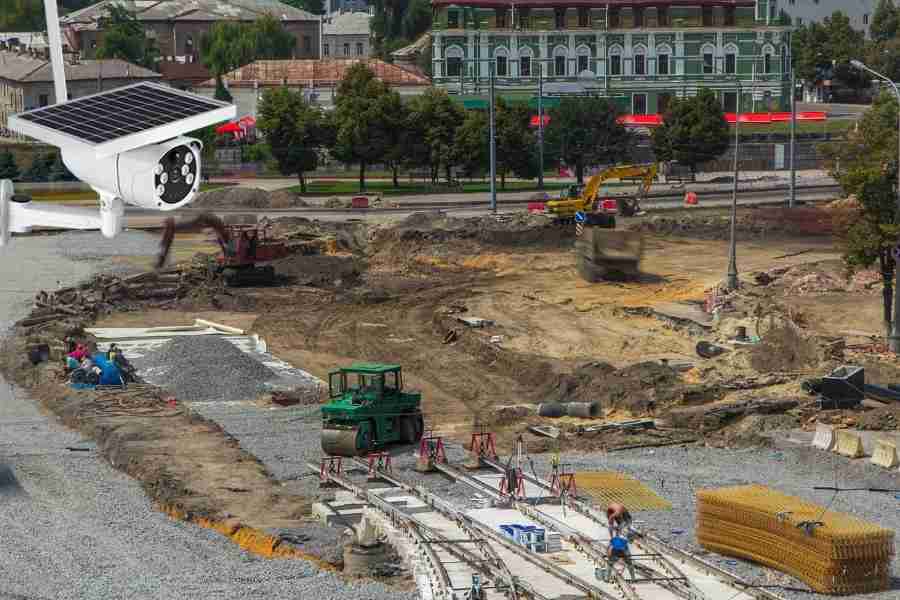
Timelapse is a technique where a camera captures images from the same spot or area at regular intervals, whether every few seconds, minutes, or hours. These images are then sequenced, forming an accelerated video that condenses weeks or months of activity into minutes or seconds. In the context of Construction Recording, timelapse cameras are strategically positioned at construction sites to visually document every stage of progress, from earthmoving to the finishing touches.
This technique not only provides a visual record of project development but also enables detailed schedule analysis, bottleneck identification, performance monitoring of teams, and early detection of deviations that might compromise deadlines and costs.
Benefits of Using Timelapse Cameras on Construction Sites
Project Management and Remote Monitoring:
Timelapse cameras enable remote monitoring of the construction site in real time, simplifying the task for project managers and technical teams. By accessing images and videos stored in the cloud, stakeholders located in different cities or even countries can follow the progress without physical travel, optimizing resources and promoting transparency in Construction Recording.
Legal Documentation and Evidence:
Besides conventional photographic documentation, timelapse video serves as a powerful documentary source for claims, audits, and legal proceedings. The entire progress becomes objective evidence, from the project’s beginning to its completion, clarifying contractual disputes or the need to prove project advances.
Communication and Marketing:
Timelapse is also a captivating approach for real estate and institutional marketing. Developers and contractors use these videos to impress clients, investors, and the general public, visually and engagingly showing the project’s journey. This visual communication differentiates the brand and builds client trust, while providing excellent material for social media, websites, and presentations.
Site Safety:
On the safety front, timelapse cameras make it possible to review footage, identify improper practices or risk situations on site, and feed this learning back into employee safety training routines. This contributes to accident reduction and compliance with safety standards.
International Studies and the Application of Timelapse in Construction Recording
Several international studies reinforce the effectiveness of using timelapse cameras and related technologies in civil construction. A notable case is detailed in the article “3D Coverage Path Planning for Efficient Construction Progress Monitoring,” which proposes the use of autonomous robots equipped with timelapse cameras to monitor construction progress in three dimensions. This approach allows for high-quality, consistent documentation, further optimizing monitoring and management processes.
Another relevant study, “A volumetric change detection framework using UAV oblique photogrammetry,” presents the use of drones to capture oblique images and detect volumetric changes in construction, enabling detailed, high-resolution tracking of the project’s physical progress.
These studies not only reinforce the broad applicability of timelapse for monitoring but also its leading role in the future of the construction sector by integrating emerging technologies into visual project management.
The Future of Construction Recording with Timelapse
Optimization and innovation are intrinsically linked to the future of Construction Recording. With advancements in technologies such as artificial intelligence, machine learning, the Internet of Things (IoT), and integration with BIM and drones, timelapse cameras are set to become even more efficient, offering automation for both documentation and analysis of construction progress.
Besides simplifying and adding transparency to processes, the trend is for timelapse to be increasingly present in projects of all sizes, becoming a fundamental ally in both major infrastructure works and small renovations. The result of investing in technology is greater efficiency, on-time delivery, cost optimization, and, above all, visual records that document, energize, and add value to the sector.
Conclusion
The use of timelapse cameras for Construction Recording is already an established reality in the sector and is set to become even more essential in the coming years. Through this technology, companies are able to document each stage of work in high definition, improve communication with clients and investors, boost marketing strategies, strengthen safety routines, and build a robust archive of legal evidence.
International studies and practices highlight that timelapse, combined with automation, artificial intelligence, and drones, will be a key piece for transparency and efficiency in an increasingly dynamic and competitive construction environment. Adopting this technology means investing in excellence, innovation, and a safer, more agile, and more visual future for the civil construction sector.