


Introduction
The pursuit of innovation alongside operational efficiency is a constant for anyone managing a parking lot, whether public or private. With the growing density of vehicles in cities and increasing security demands, adopting technological solutions has become essential to ensure a safer, smoother, and more cost-effective experience. In this scenario, the vehicle license plate recognition camera, or LPR (License Plate Recognition), emerges as the main ally of modern parking management, promoting process automation, advanced security, and optimized space usage.
What are LPR Cameras and How Do They Work?
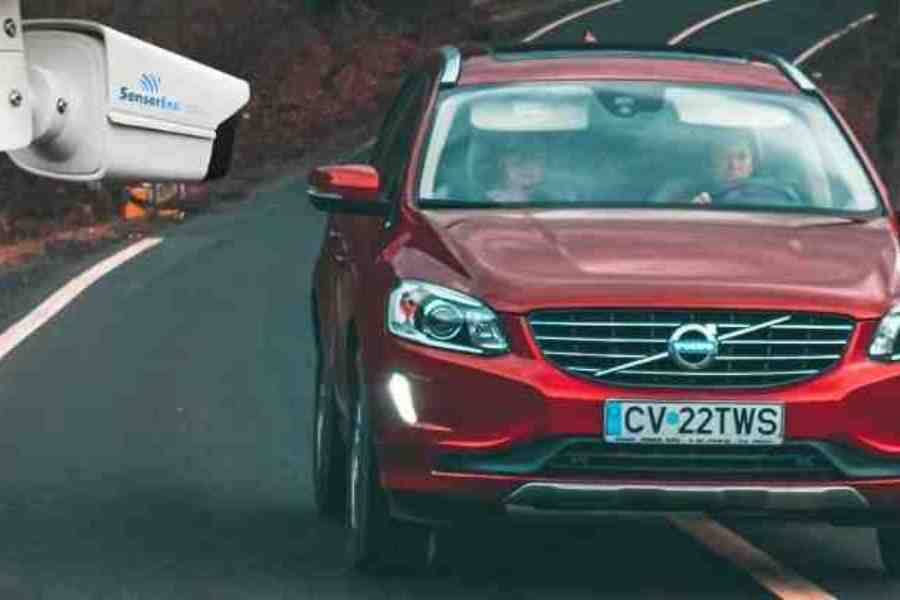
LPR cameras are systems equipped with OCR (Optical Character Recognition), capable of automatically identifying the characters on vehicle license plates in real time. In simple terms, the camera captures an image of the vehicle’s plate as it enters or leaves a parking lot and, through embedded software, interprets and records the plate data within seconds.
Smart integrations allow this data to interact with access control systems, automated payments, security monitoring, and detailed reporting. This automation eliminates the need for tickets or cards, making entry and exit processes much faster, safer, and contactless — an essential improvement not only for efficiency but also for user experience.
Parking Management: Benefits of LPR Cameras
Automation and Operational Efficiency
The adoption of LPR cameras in parking management enables full automation of access, payment, registration, and parking spot monitoring processes. The system instantly recognizes the vehicle’s plate, records entry and exit times, calculates fees, and can grant or deny access without human intervention. This reduces queues, bottlenecks and ensures smoother vehicle flow—scenarios common in large urban centers.
Example: Malls that implemented LPR saw a significant reduction in drivers’ waiting times both at entry and exit.
Enhanced Security
Beyond access control, LPR cameras offer substantial improvements in security by recording all vehicles entering and leaving—valuable data in cases of incidents such as thefts or damage. Integration with stolen or irregular vehicle databases enables real-time alerts for security teams, increasing the chances of swift action and effectiveness in combating crime.
Space Management and Optimization
Data analysis collected by the LPR system provides parking management with a detailed map of usage patterns: peak hours, occupancy rates, and user preferences. With this information, it is possible to implement dynamic pricing policies, better control the allocation of spaces, and even reserve spots for premium clients.
Payment Automation
With automated plate reading and integration with billing systems and payment apps, the customer can enter and exit without entering data, validating tickets, or facing queues at payment kiosks. Payment can be processed automatically via advance plate registration, ensuring agility and comfort.
International Studies: Scientific Proof of the Benefits
The effectiveness of LPR in parking management is proven by several international studies. An example is the research entitled “A Robust Real-Time Automatic License Plate Recognition Based on the YOLO Detector,” which achieved a plate recognition rate of 93.53% and processed an impressive 47 frames per second. This means that, in practice, LPR systems can handle large vehicle volumes, with accuracy exceeding conventional methods.
Best Practices for Implementation:
Choosing Quality Equipment
It is essential to invest in cameras with good resolution, WDR (Wide Dynamic Range), and varifocal lenses to ensure accurate reading in different lighting conditions, angles, and environments. Robust equipment ensures the solution’s operation even under adverse situations.
Positioning and Installation
Cameras should be installed at the correct height (about 1.5 meters) and at angles of up to 30°; improper positioning can impair plate reading. Monitoring main entries and exits should be a priority.
Integration with Management Systems
The true power of LPR is revealed when integrated with parking management software. These systems transform plate data into actionable reports, automate billing, and allow real-time notifications for managers.
Attention to Privacy and Regulations
Complying with data protection standards is essential. Transparency in the collection, storage, and usage of vehicle information strengthens customer trust and avoids legal issues.
Conclusion
License plate recognition cameras (LPR) are leading the digital era in parking management. Automation, safety, operational efficiency, real-time data analysis, and complete integration are among the many benefits that elevate parking operations to a new quality standard. International studies show high success rates, and practical applications attest to the robustness and scalability of the technology.
Managers who invest in this solution will not only ensure competitive advantages, but also provide a superior experience for users, optimize resources, and support the sustainable growth of their business.