


Introduction
Efficient shelf management in supermarkets is key to thriving in the retail market. With products consistently available, customer satisfaction increases, sales rise, and brand reputation strengthens. The advent of technology, particularly smart cameras, is revolutionizing restocking processes, reducing out-of-stock situations, and boosting operational efficiency.
The Challenge of Product Restocking
Ensuring that shelves remain stocked and organized presents a constant challenge for supermarkets. Stockouts can lead to revenue losses of up to 8% annually. Empty or chaotic shelves not only frustrate customers but also detract from sales.
Innovative Technologies for Shelf Management
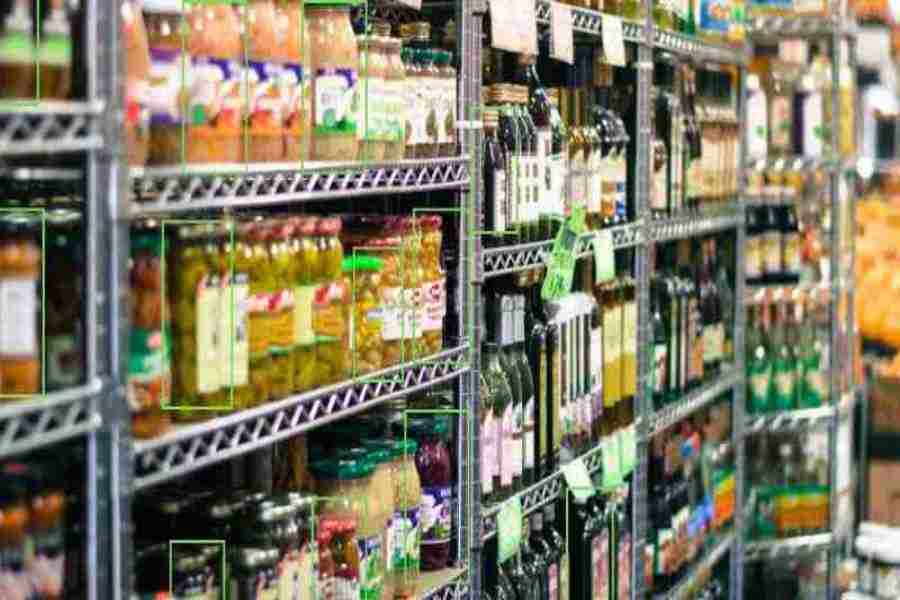
Emerging technologies are increasingly tackling these issues. Smart cameras, in particular, offer real-time monitoring of shelves. Utilizing artificial intelligence and computer vision, these cameras quickly detect inventory shortages and notify the team for prompt restocking. Solutions like Captana, with its wireless mini-cameras mounted on shelves, demonstrate this innovation. Captana continuously captures images and uses advanced algorithms to identify and alert on absent products, facilitating immediate restocking.
Integration with Other Technologies
The effectiveness of smart cameras is enhanced when combined with other innovations, such as electronic shelf labels (ESLs) and task management systems. Captana, for example, works seamlessly with VUSION ESLs, providing precise analysis of product quantities and locations, enabling real-time alerts and automated restocking orders.
Case Studies Demonstrating Benefits
Deep Learning Pipeline for Product Recognition: This system integrates object detection with deep learning to recognize products on shelves quickly and accurately, even with minimal reference images. Such systems streamline restocking and improve inventory management in supermarkets.
Digital Transformation in Retail
Digital transformation is reshaping the supermarket sector, making inventory management more efficient through technologies like smart cameras. These tools provide valuable insights into consumer behavior, enabling supermarkets to optimize marketing strategies and store layouts for increased sales.
Impact on Customer Satisfaction
Efficient restocking enhances customer satisfaction as shoppers consistently find desired products, improving their overall experience. This boosts customer loyalty and the likelihood of positive recommendations, attracting new business.
Enhancing Employee Efficiency
By automating the detection of stockouts and streamlining the restocking process, smart cameras free employees to focus on customer service and other vital tasks, improving overall store efficiency and employee morale.
Boosting Revenue Through Data Analytics
The data collected by smart cameras can be analyzed to identify sales trends and optimize product placement, driving increased sales and revenue. This data-driven approach helps retailers make informed decisions on inventory management.
Supporting Sustainable Practices
Advanced restocking technologies contribute to sustainability by minimizing waste and reducing the need for excessive transportation, thus lowering the supermarket’s carbon footprint and promoting eco-friendly operations.
Future of Restocking Technologies
The future holds further advancements in technology such as machine learning and the Internet of Things (IoT), allowing for more accurate product demand predictions and ensuring shelves remain full. Supermarkets adopting these innovations will be better equipped to navigate the evolving retail landscape.
Conclusion
The introduction of intelligent cameras in shelf management is a transformative move for supermarkets, minimizing losses from stockouts and enhancing operational efficiency. As these technologies evolve, they will become even more sophisticated and accessible, reshaping how supermarkets operate and compete. Investing in innovation is crucial for maintaining competitiveness and ensuring long-term success in the retail sector. Adopting these solutions is essential for supermarkets to remain relevant and efficient in the modern era.