


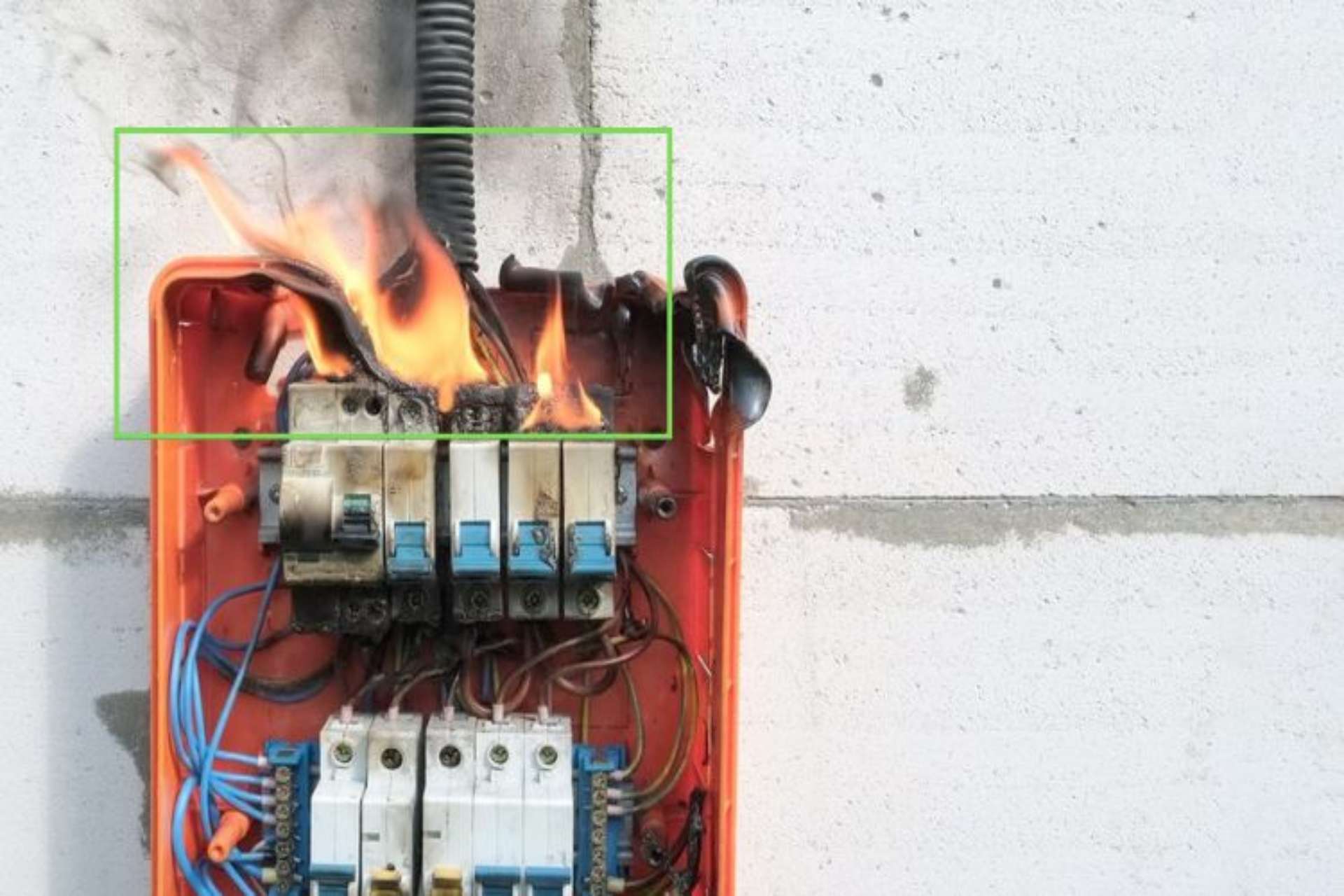
Fire detection cameras are sophisticated devices that utilize technologies like infrared and artificial intelligence to detect early signs of a fire. These cameras visually monitor areas, enabling them to identify flames or sudden increases in temperature, even under adverse conditions such as strong winds or in outdoor settings. By integrating with continuous monitoring systems, they can send immediate alerts to emergency response teams, allowing for faster and more effective interventions. This ability to detect fires before they spread extensively is essential for safeguarding large industrial facilities, forests, and urban environments, significantly reducing the risk of damage to property and enhancing safety by mitigating fire hazards promptly.
How does fire alarm camera system works?
A fire alarm camera system works by integrating advanced imaging technology with fire detection capabilities to provide comprehensive monitoring and early warning of fires. These systems utilize cameras equipped with infrared or thermal imaging to detect the presence of flames or abnormal heat patterns. Unlike traditional smoke detectors that react to smoke particles, these cameras continuously scan their field of view, analyzing video feeds in real-time with the help of artificial intelligence algorithms. When the system identifies potential fire indicators—such as the signature flicker of flames or unexpected hot spots—it triggers an alert, notifying building occupants and emergency services. This proactive approach allows for quicker response times, as fires can be detected before they produce significant smoke, thereby enhancing safety and reducing potential damages in both indoor and outdoor environments
How have fire detection cameras improved industrial safety?
Fire detection cameras have transformed industrial safety by providing continuous monitoring and early fire detection, which helps minimize response times and reduce losses. This technology enables rapid responses, essential for protecting lives, infrastructure, and ensuring operational continuity in industrial settings. A relevant study conducted by the University of Technology Sydney evaluated the impact of fire detection cameras in densely populated industrial facilities in Asia. The study demonstrated that the implementation of these technologies reduced false alarm occurrences by 60% and increased the effectiveness of emergency response measures. More details can be found in the study.
What are the advantages of using fire detection cameras?
Rapid Detection: Cameras can identify a fire in its initial phase, allowing for immediate responses before the fire spreads.
Real-Time Monitoring: They offer continuous surveillance, allowing operators to visualize the incident and assess the situation in real time.
Operation in Adverse Conditions: They work effectively in environments where common smoke detectors fail, such as windy areas or outdoor settings.
Reduction of False Alarms: Using artificial intelligence, cameras can more accurately distinguish between real threats and non-hazardous phenomena, reducing the incidence of false alarms.
Wide Coverage: They can monitor large areas or multiple points simultaneously, making them ideal for extensive industrial or commercial spaces.
Integration with Security Systems: They can be integrated into larger systems, providing valuable information to building management systems and emergency teams.
Visual Recording: They provide visual documentation of events, useful for post-incident analysis and cause investigations.
Conclusion
Fire detection cameras represent a significant advancement in fire safety technology, offering superior capabilities compared to traditional detection methods. By leveraging infrared technology and artificial intelligence, these cameras provide rapid and accurate identification of fire hazards, even in challenging environments. Their ability to monitor large areas continuously and alert emergency services promptly enhances the effectiveness of firefighting efforts, ultimately protecting lives and reducing damage to property. As these systems continue to evolve, their integration into industrial, commercial, and urban safety protocols will play a critical role in mitigating the risks associated with fire, underscoring their value as an essential component of modern fire prevention strategies.